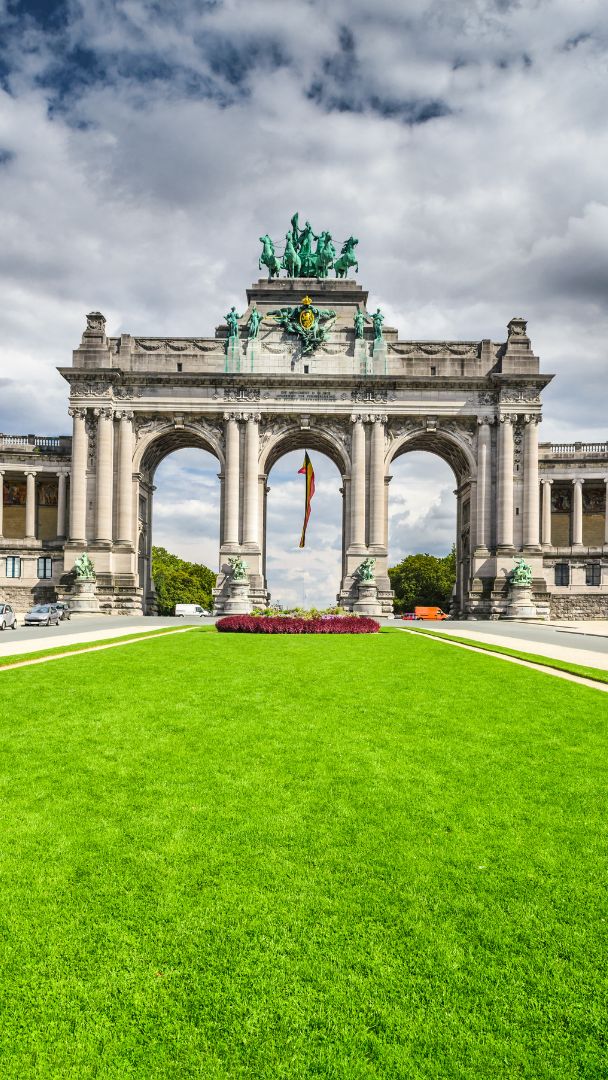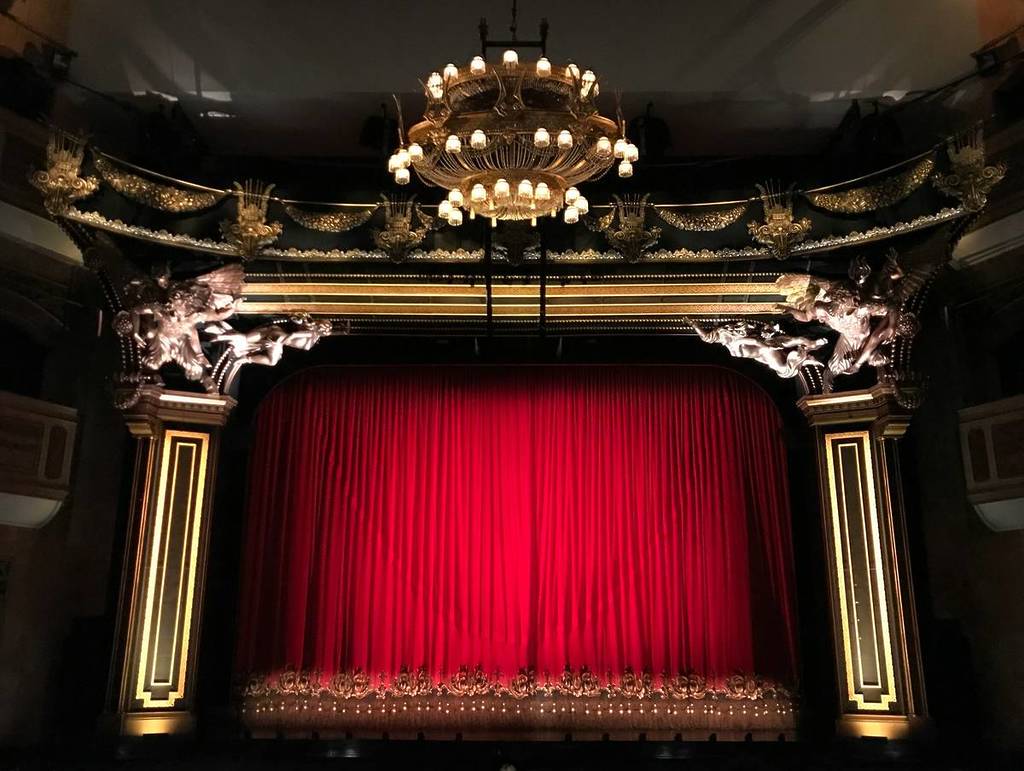

Anyone who has ever walked up Rue de Laeken or strolled around Place des Martyrs as the spotlights come on knows that special buzz. In Brussels, theater is a matter of neighborhood and architecture: performances take place in industrial garages or Art Deco palaces. This visual fusion is not just a backdrop; it is the very DNA of a scene that refuses to choose between the prestige of its gilded halls and the raw energy of its creative workshops.
Whether you’re a theater regular or a curious visitor looking to immerse yourself in the Bois de la Cambre, the city offers a cultural scene as diverse as its cosmopolitan population. Here is our selection of must-see stops to get a feel for today’s creative scene.
Wallonia-Brussels National Theater
A major institution founded after World War II in 1945, this arts center explores the world’s transformations under the direction of Pierre Thys. An epicenter of contemporary creation, it presents over 200 curtain-raisings per season in a spirit of openness and celebration. Don’t miss the series dedicated to Isabelle Pousseur featuring the show “Du côté de chez Elle(s),” a reflection on otherness.
Varia Théâtre & Studio
Founded in 1981, Varia is one of the six Performing Arts Centers of the Wallonia-Brussels Federation. Under the direction of Coline Struyf since 2021, this meeting place houses two venues (the Theater and the Studio) dedicated to hybrid, boundary-breaking Belgian creation. It is a space where 11 partner artists and collectives reinvent today’s stories. Don’t miss “Unbelievable!” by Pauline Desmarets, a scathing Brussels premiere that debunks the American myth.
Espace Lumen
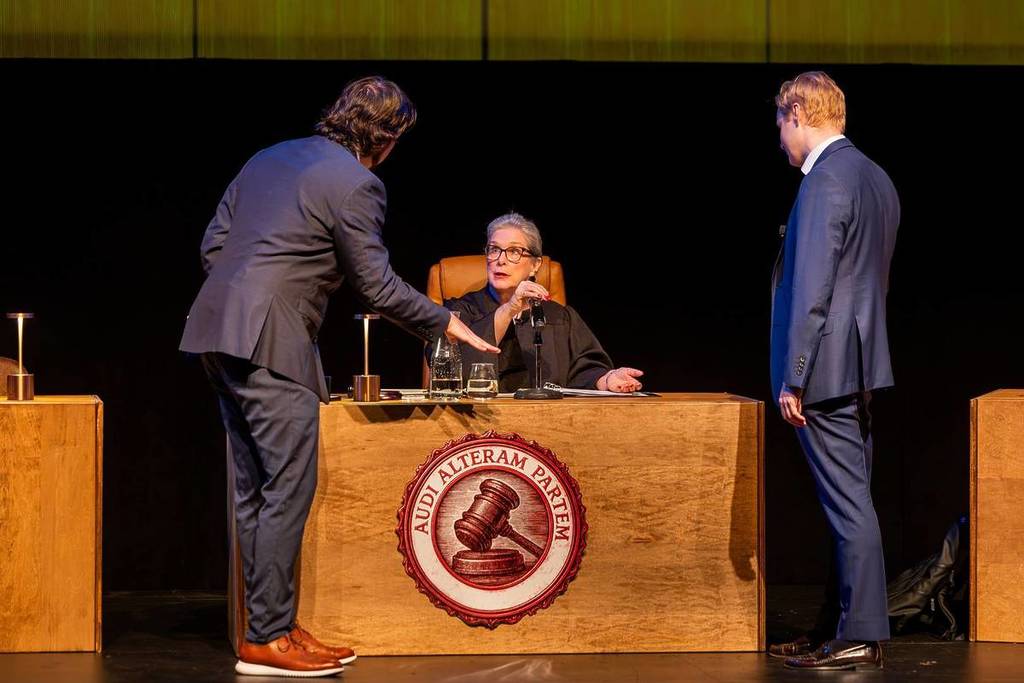
This cultural complex in Ixelles is a true retro gem, inseparable from Brussels’ artistic life. Recently renovated, it blends its 1960s-era grandeur with a resolutely contemporary spirit. It is a versatile and welcoming venue hosting exhibitions, concerts, conferences, and other events. Don’t miss the immersive “The Jury Experience, ” a captivating production that transforms the audience into jurors in a fictional trial, blurring the lines between legal reality and theatrical fiction.
Les Tanneurs Theater
Born from the former Atelier Sainte-Anne, this venue in the Marolles district became a pillar of contemporary creation in 1999. Following major renovations between 2020 and 2024, it is unveiling a new lobby and its own restaurant, reaffirming its role as a vibrant neighborhood hub. With over 140 performances per season, it supports community-driven innovation. Don’t miss the play “Respire, ” a sensitive exploration of women’s relationship with money, starring Geneviève Damas.
Théâtre de la Toison d’Or (TTO)
Founded in 1995 in an abandoned movie theater in the Galerie de la Toison d’Or, this unique three-letter venue founded by Nathalie Uffner is all abouthumor and a colorful visual identity. Part cult comedy, part think tank, the TTO’s DNA remains laughter. Plus, the venue features a legendary bar to keep the party going! Don’t miss Neil Simon’s “The Odd Couple, ” a story of an electrifying, high-energy roommate situation.
KVS – Koninklijke Vlaamse Schouwburg
This symbol of Flemish culture traces its roots to 1887 in a Neo-Renaissance gem featuring ingenious emergency balconies designed by Jean Baes. The first venue where the royal family spoke in Dutch, the KVS survived a major fire before reinventing itself in 2004 between its historic “BOL” and its modern “BOX.” Today, as an urban and multilingual laboratory, it hosts Lisbeth Gruwez’s magnetic performance “Tempest,” a visceral dance that transforms anger into a controlled force at the very heart of the eye of the storm.
Théâtre de Poche
A true “young upstart” at 75 years old, the Théâtre de Poche breathes life into the Brussels theater scene. Directed by Olivier Blin since 2016, this action-oriented theater favors progressive texts and documentary theater that rejects resignation. Its bar invites debate around an open fire or on a terrace at the edge of the forest. Don’t miss the premiere of Daniel Keene ’s “The Long Way Home,” a powerful, cinematic-style narrative that explores the twists and turns of a troubled memory with rare subtlety.
Théâtre Le Public
Founded in 1994 in the former Aerts breweries, this venue is the realization of a dream by Patricia Ide and Michel Kacenelenbogen. Transformed with the help of set designer Luc D’Haenens, the space has become a true melting pot of popular creativity, expanding from one to three theaters over the decades. The institution strikes a delicate balance between boldness and emotion. Don’t miss “Peu importe” by Marius von Mayenburg: a fierce face-off where humor dissects a society consumed by the “value of work.”
Théâtre Royal du Parc
A gateway to the public park created in 1775, this neoclassical gem is inseparable from the city’s history. Built in 1782, it hosted Napoleon Bonaparte and Josephine before becoming the majestic Italian-style theater we know today, narrowly saved from a fire in 1998. Under the direction of Thierry Debroux, the venue blends historic grandeur with bright rehearsal spaces. Don’t miss Beaumarchais’s “The Marriage of Figaro , ” a sublime and visionary comedy that already denounced the abuse of power against women.
Théâtre des Martyrs
Born from the ashes of a former cinema on Rue Neuve, this venue opened its doors in 1998 to breathe new life into the historic Place des Martyrs. Under the leadership of dedicated directors such as Daniel Scahaise and later Philippe Sireuil, the institution recently underwent a transformation to become a bulwark against intolerance and a beacon of Francophone creativity. Led by Sarah Siré since early 2026, it is currently hosting “The Seagull, “ a reinterpretation of Chekhov’s masterpiece that transforms a family gathering into a generational conflict brimming with humanity, proving that these texts remain as relevant as ever.