South of Brussels, near Charleroi, the Château de Farciennes stands in a state of advanced ruin. Once a majestic Meuse-style residence, construction began in 1637 on the ruins of an ancient feudal castle. Long surrounded by water thanks to a diverted branch of the Sambre River, the residence was shrouded in an isolated and singularly eerie atmosphere.
According to legend, the family of Hungarian Count Károly József Batthyány —owner of the estate in the 18th century—is said to have hidden a terrible secret: some of its members were allegedly… vampires.
Five mysterious deaths and a terrible secret
Between 1724 and 1742, five members of the Batthyány family died suddenly, including three children. All were buried in the Saint-Jacques Chapel in Tergnée, on the opposite bank of the Sambre River. When the building was demolished in 1851, workers discovered the coffins: four of the five corpses had an iron stake piercing their hearts.
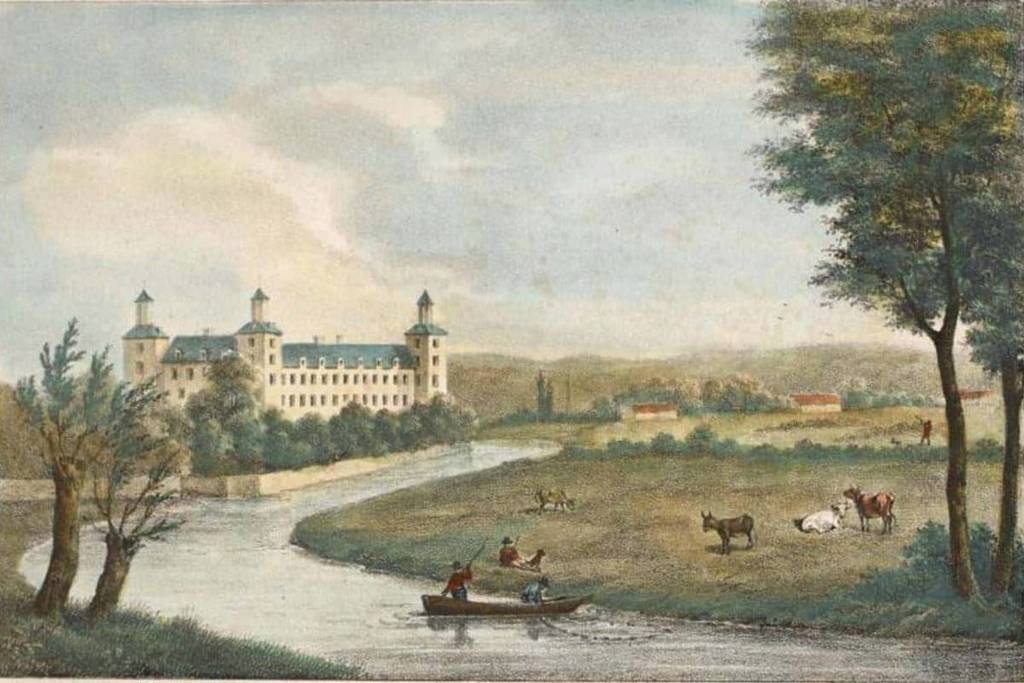
The most unsettling part? These stakes, ranging from 50 to 70 centimeters in length and weighing up to 2.5 kg, are reminiscent of traditional methods meant to prevent a deceased person from rising as a vampire. Long before the publication of Bram Stoker’s novel *Dracula* in 1897, fear of “bloodsuckers” was already widespread in the countryside of Central Europe.
This discovery gave rise to countless theories. Did the panicked villagers themselves nail the bodies to their coffins for fear of a curse? Or did the count’s own family order this strange funeral rite? The bloodline of the Batthyány family, of Hungarian origin and linked to Transylvania—the mythical region of Count Dracula, alias Vlad III the Impaler —likely fueled many superstitions.
Farciennes Castle, a heritage site in decline, a symbol of the collective imagination
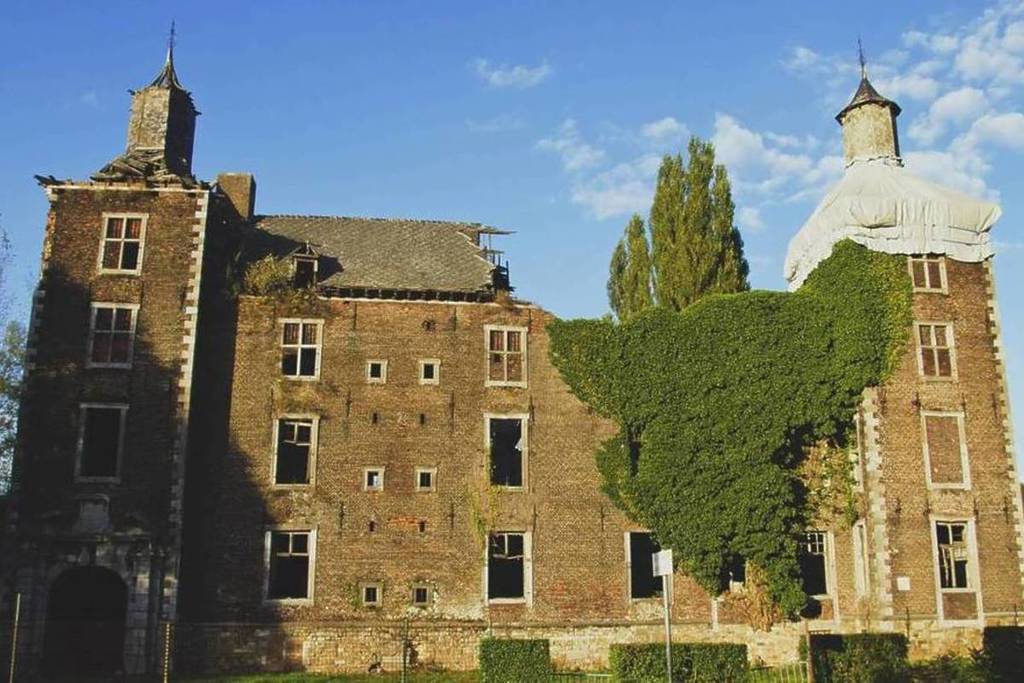
Today, Farciennes Castle is a ruin listed as a Wallonia heritage site. Closed to the public for safety reasons, it remains a highly sought-after destination for enthusiasts of urban exploration and strange tales. Restoration projects have been proposed by the municipality to preserve this unique example of Meuse architecture and part of the local collective memory.
While vampires likely no longer prowl there, the castle’s mysterious aura continues to captivate the curious and thrill-seekers alike. As is often the case, legends blend historical truth, a fascination with death, and the need to explain the inexplicable. And in Farciennes, the line between myth and reality remains thinner than ever.