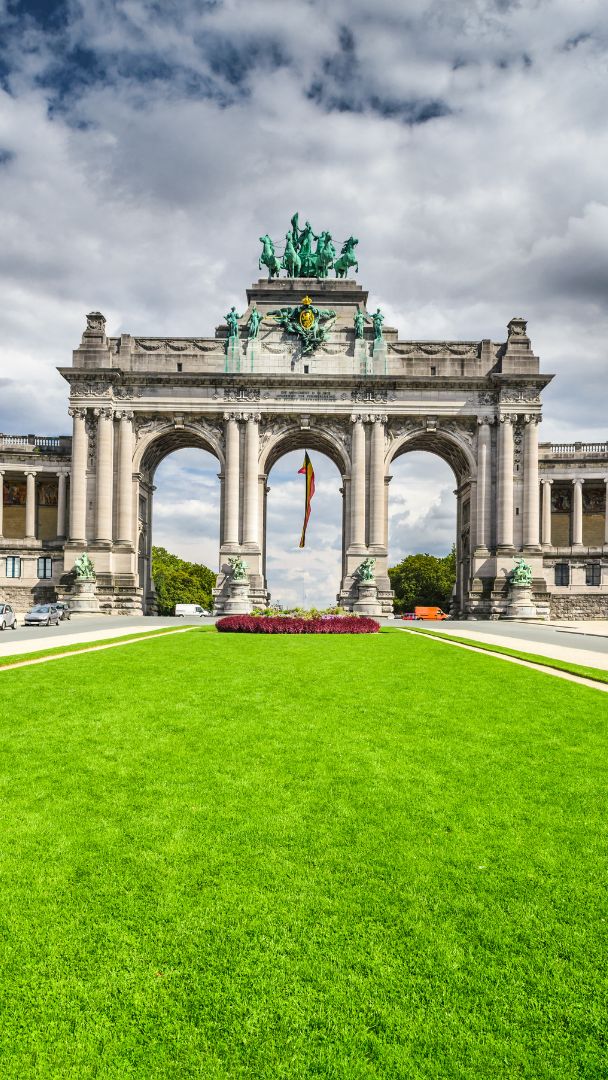
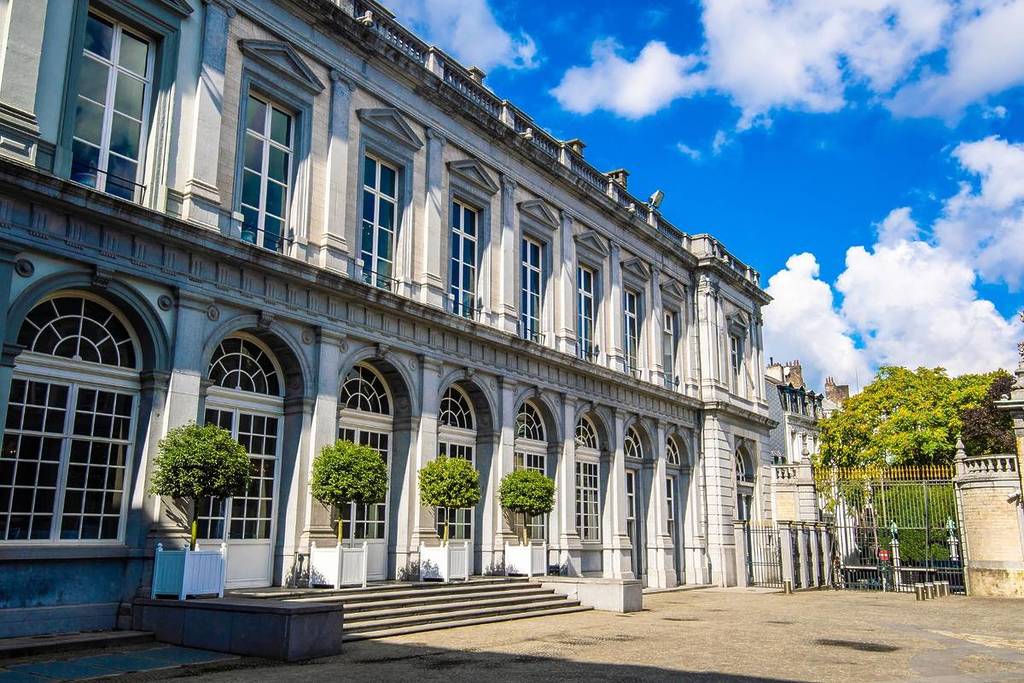
Nestled in the heart of the Petit Sablon, the most refined district of the capital, the Egmont Palace is much more than an architectural treasure: it is the true guardian of nearly five centuries of Belgian diplomatic history. Behind its golden gates, this monument welcomes the most important state figures and hosts international conferences in its various rooms and galleries.
Built in the 16th century by the Egmont family and later erected as the princely residence of the Dukes of Arenberg, this sumptuous residence is a mecca of elegance and power. From its legendary rooms to the historic park nearby, discover behind the scenes of a prestigious palace with a heritage of rare richness.
A refined stopover between historical heritage and cultural charm
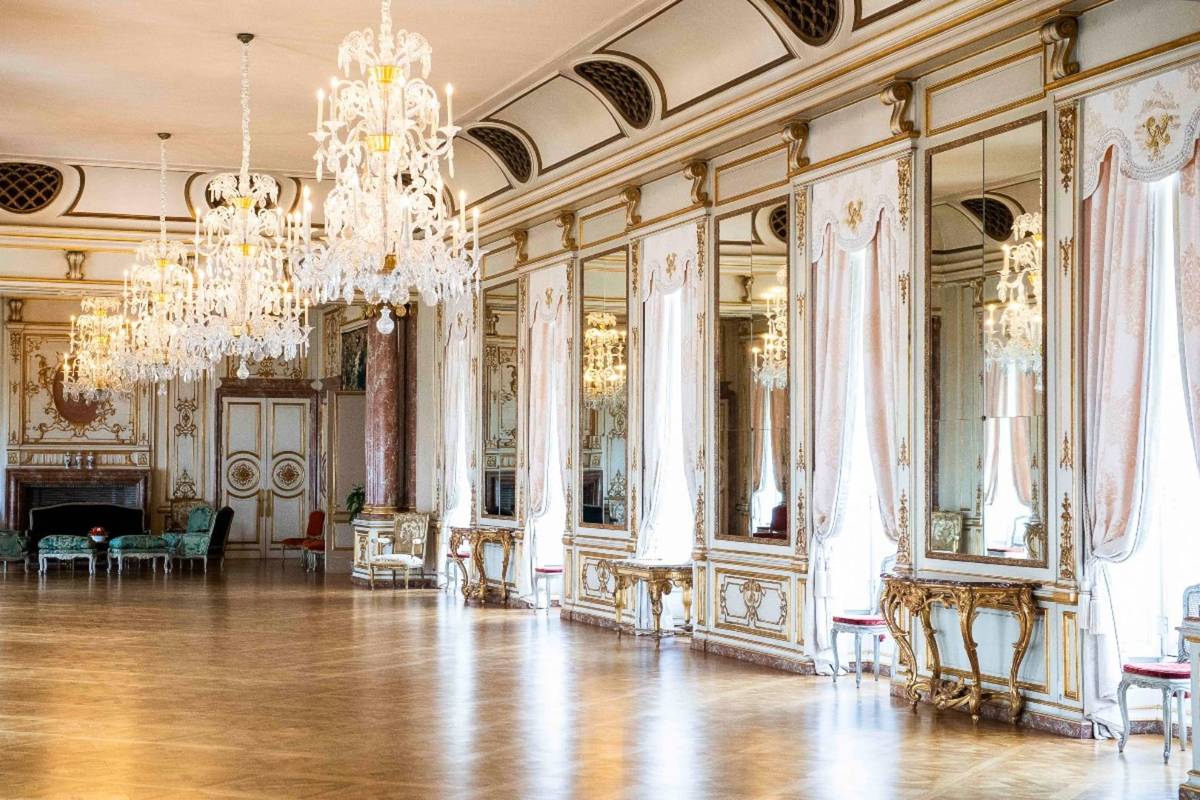
Over the centuries, the Egmont Palace, with its Renaissance origins linked to the Egmont family, has undergone many transformations. Despite the devastating fire of 1892, the Dukes of Arenberg (owners of the property) transformed it into a neoclassical residence, which eventually became the official reception venue of the Belgian Ministry of Foreign Affairs. Enhanced by its Tapestry Room and its Mirror and Marble Galleries, the building rivals even the grandest European castles.
 © SPF Foreign Affairs
Its ceremonial halls and period atrium have welcomed the world’s most prominent leaders and witnessed decisive moments in Belgian and European history, notably during the First World War and the 1977 Pact on linguistic reforms. Although largely restricted due to its diplomatic activities, the Egmont Palace opens its doors to visitors during Belgium’s Heritage Days in September and during scheduled cultural exhibitions. This is a rare opportunity to explore the 14 exceptional rooms and chambers of this unique place.
Secret passages from an English garden to a bucolic and gourmet retreat
Beyond the elegance of the palace’s interior, its surroundings continue this peaceful and cultural escape. Hidden behind the Brussels monument, Egmont Park shines with its indescribable charm and majestic tranquility. To access it, you have to take an almost invisible passageway on the sidewalk of Rue aux Laines. Once you have passed the maze and the rotunda, the hustle and bustle of Brussels disappears, giving way to a 1.5-hectare garden adorned with sensational bronze sculptures and bordered by majestic trees.
 © gardens.brussels – clarinval alexandre
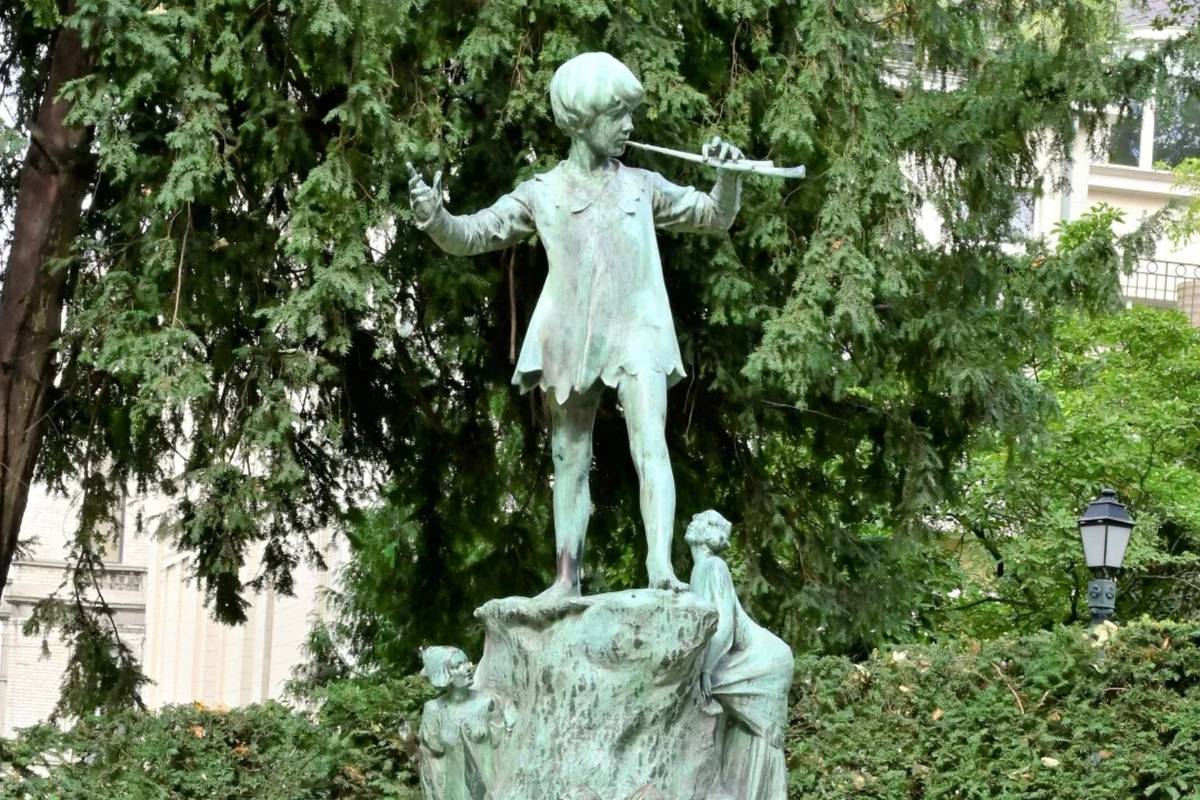
Along the Parc d’Egmont, the walk takes on an artistic dimension with, in particular, the statue of Peter Pan, an exact replica of the one in Kensington, donated by Great Britain a century ago, as well as the palace’s former Orangery, a bright winter garden in the neoclassical style. This is an opportunity to sit down at La Fabrique en Ville, a must-visit address in the Sablon district, for a well-deserved breakfast after this cultural getaway in the heart of Brussels’ most chic neighborhood.
📍Place du Petit Sablon, 8, B-1000 BRUSSELS