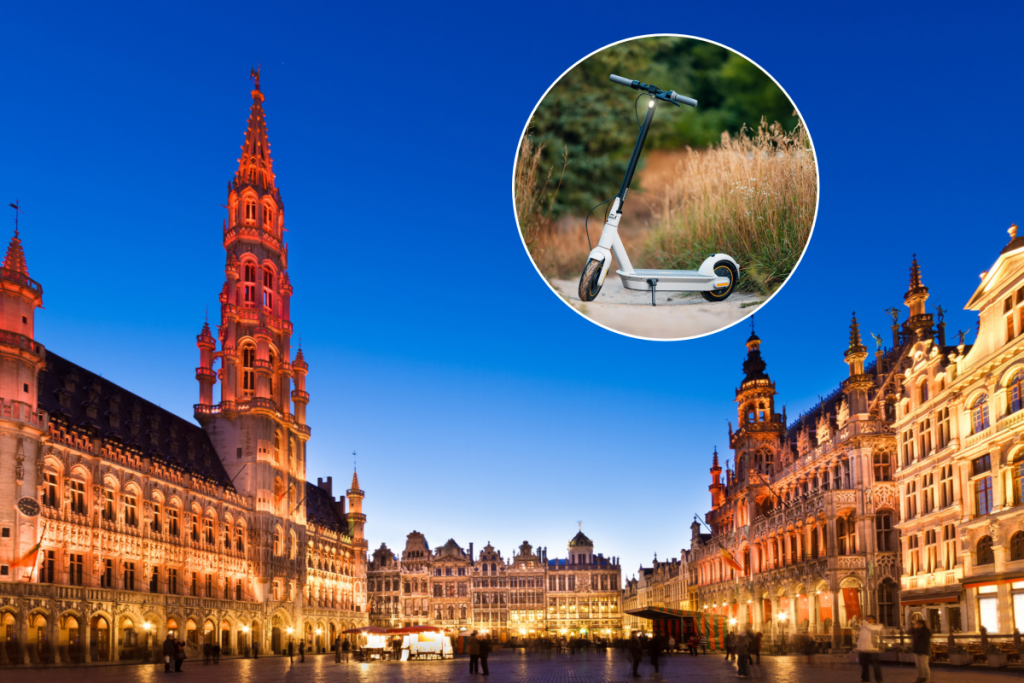

A major turning point is on the horizon for mobility in Brussels: as of January 1, 2027, self-service electric scooters will disappear permanently from the urban landscape. Faced with an alarming rise in accidents and parking-related nuisances, the regional government has made the radical decision not to renew the licenses granted to Bolt and Dott, following the lead of cities like Paris and Madrid. While the operators are making a last-ditch effort to fight back, the Minister of Mobility is already preparing for the post-scooter era. To fill this gap, the capital is banking on a massive shift toward shared electric bikes, with the fleet potentially growing to as many as 12,500 two-wheelers.
Rising Accidents and Illegal Parking: The End of Shared Scooters by 2027
Faced with mounting problems on public roads, the Brussels regional government has decided to permanently ban self-service electric scooters as of January 1, 2027. The figures cited to justify this ban reveal an alarming 26% increase in accidents over the course of a year. Added to this is haphazard parking that obstructs pedestrian traffic on a daily basis. By refusing to renew the operating licenses granted to operators Bolt and Dott —which expire at the end of 2026— Brussels is following in the footsteps of other major European capitals such as Paris, Madrid, and Prague.
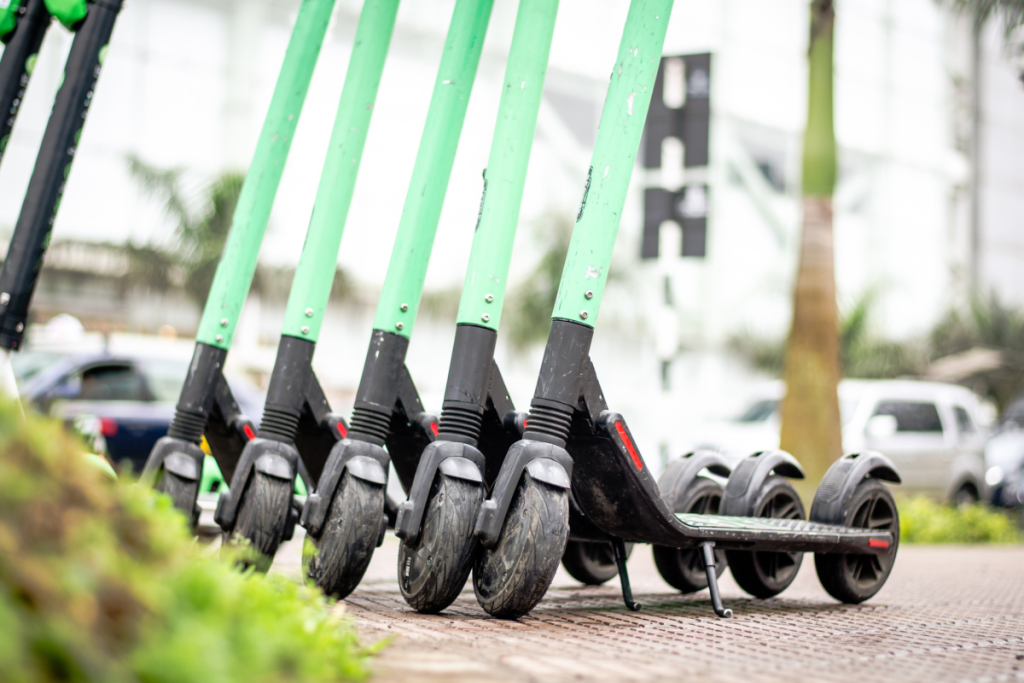
On the operators’ side, this announcement has sparked strong opposition. Bolt and Dott still hope to sway the authorities by the end of the year by highlighting the explosive growth in the use of their services. This is a compelling argument for these brands, which believe they are meeting a real demand from users, but it does not seem to be enough to reassure the regional government given the imperative of road safety.
Bike-sharing takes center stage: the alternative to replace scooters
To meet demand and avoid any risk of service disruption as of January 1, 2027, the Brussels Region is investing heavily in bike-sharing. The Minister of Mobility is counting on electric two-wheelers to ensure the transition. In the short term, the regional government plans to temporarily authorize up to five operators (the three current providers— Voi, Dott, and Bolt—plus two new entrants). This measure could bring the total number of bikes available on the capital’s streets to 12,500.

This dramatic increase in the fleet builds on a trend that is already well underway. In recent months, the use of shared bikes has surged by 315% in Brussels. However, this massive rollout will only be temporary: by mid-2028, following a future call for bids, the Region plans to consolidate the market by retaining only two operators for a total of 9,600 bikes. This is a phased strategy designed to offer a credible alternative to scooters while avoiding a repeat of past excesses.