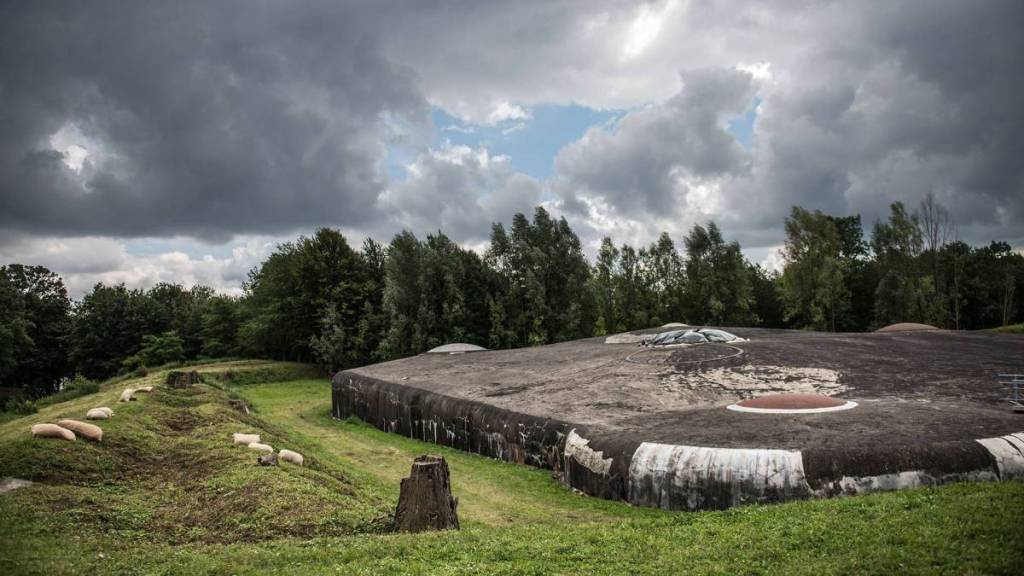

A few kilometers from Liège, Fort Lantin stands as a miraculously intact testament to19th-century military architecture. Inaugurated in 1888, this concrete colossus weathered the hell of the Great War’s bombardments before being restored by enthusiasts. Today, its immersive tour plunges visitors into the daily life of the garrison in 1914. Butthe journey of remembrance continues through Fort Loncin, its tragic neighbor that became a national shrine after the explosion of its powder magazine. This collection of major historic sites preserves the memory of heroes through a poignant journey. Welcome to the heart of Liège’s history.
Fort Lantin: An Intact Guardian of the Memory of 1914
Built in 1888 at the behest of Leopold II, Fort Lantin is one of the twelve links in Liège’s fortified belt. This small fort, with its distinctive equilateral triangular shape, came under relentless bombardment beginning on August 10, 1914, duringthe German invasion. Designed without underground tunnels, the fort quickly became a suffocating trap for the garrison. At noon on August 15, 1914, faced with shattered cupolas and the exhaustion of his men, Commander Fabryheroically resolved to surrender.
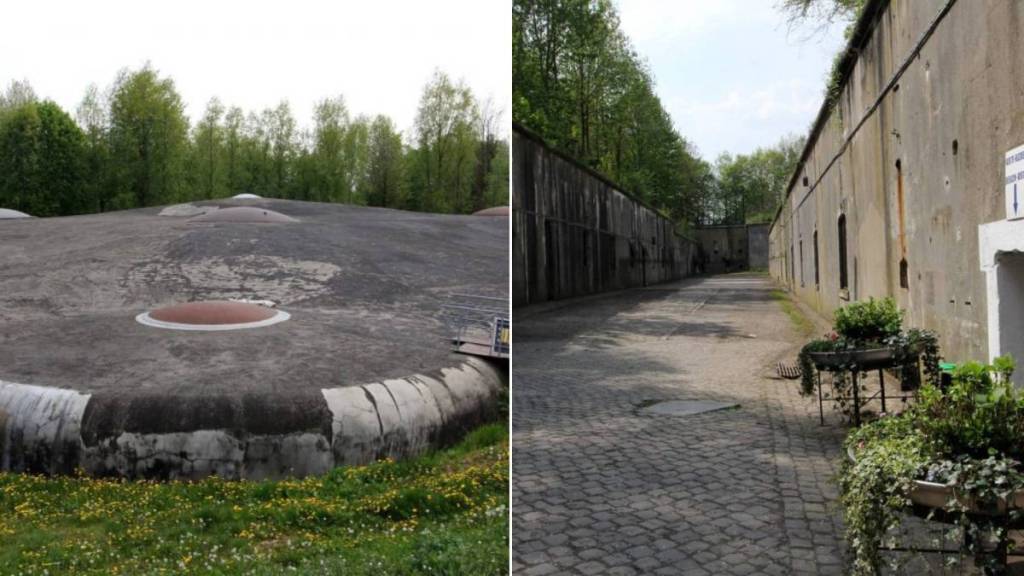
Occupied and then stripped of its armaments by German forces, the fort remained frozen in its state at the end of the conflict. Unlike other forts in the region, Lantin was miraculously spared during the rearmament campaigns of the interwar period and World War II, before being left to nature. This long period of historical dormancy, broken in 1983 by thenonprofit organization’s purchase and restoration, makes it today the only surviving example of 19th-century military architecture that has reached us completely intact.
An immersive tour and the duty to remember: when history comes to life in the Liège Hesbaye region
Now classified as a “Two Suns ” site, Fort Lantin has been transformed into a must-see tourist destination thanks to a multimedia tour available in four languages. For over an hour,visitors are immersed in the daily life and anguish of the garrison under bombardment. The site also houses the Museum of Trench Art as well as a unique telecommunications museum that preserves Belgium’s very last talking clock. To extend the experience, the association has restored two period barracks, allowing visitors to spend an unusual night under 1914 conditions.
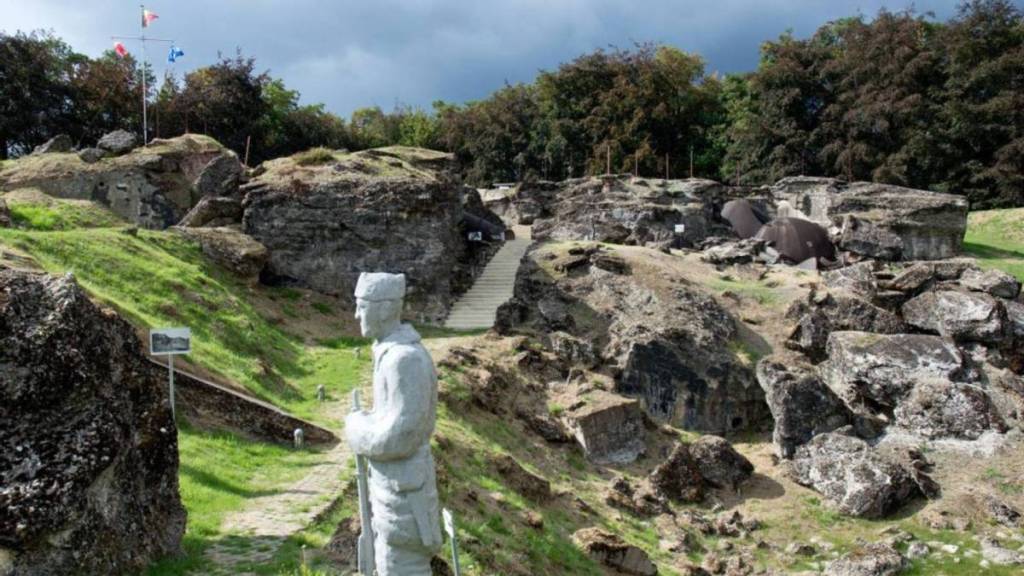
This immersive experience finds its essential commemorative complement a few kilometers away, at Fort Loncin. Built to block access to Brussels, this fort met a tragic fate in August 1914. After vowing never to surrender, Loncin was pulverized by the 25th shell fired by the “Big Bertha,” Germany’s secret weapon.The explosion of the powder magazine claimed the lives of 350 heroes, who still rest beneath the site’s rubble. Today, Loncin is a poignant national memorial, forming—together with Lantin—a deeply moving historical diptych of the Liège region.
📍 Rue de Villers No. 1, 4450 Lantin, Belgium