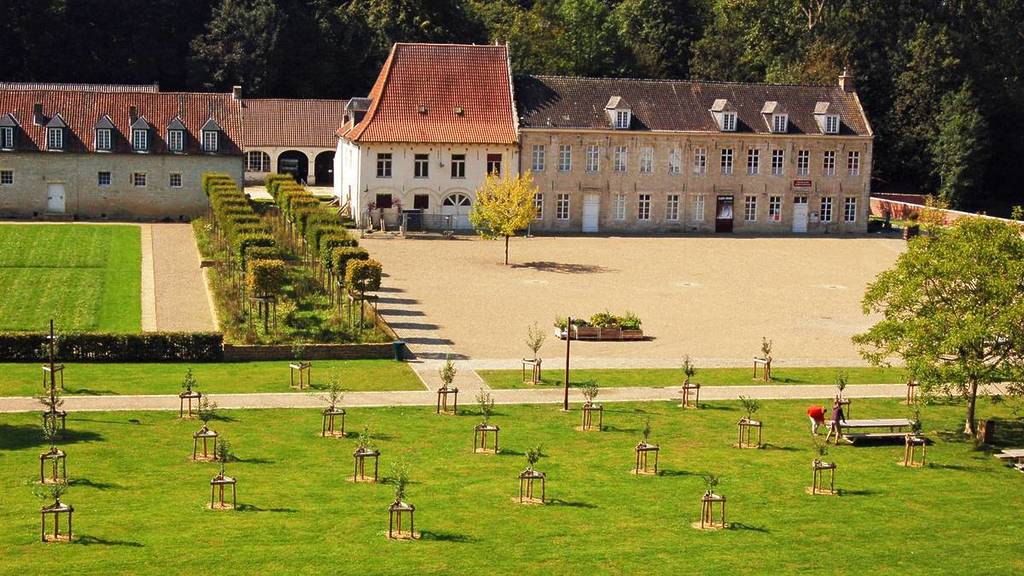

Nestled on the edge of the Sonian Forest, the Rouge-Cloître site is a bucolic gem where time seems to have stood still. Dating back to the 14th century, this former fortified priory hides a fascinating past behind its walls, marked by the mystery of its red mortar, the splendor of the Burgundian princes, and the presence of brilliant painters. But today, this heritage enclave has been transformed into a true cultural and natural paradise. From the shores of its ponds, designated as a nature reserve, to the guided tours of its artistic institutions, immerse yourself in the heart of an estate of exceptional richness. A haven of peace, ideal for total relaxation.
The origins of the monastery: the secrets of the walls of the Rouge-Cloître
The history of Rouge-Cloître begins in the 14th century when simple hermits settled in this valley of the Sonian Forest. The site’s legendary name, first mentioned in 1380, is said to derive either from the red mortar that originally covered the buildings’ walls or from a cleared area of the forest. Supported by the Dukes of Brabant and the Burgundian princes, the priory enjoyed extraordinary influence until the 18th century. It became a leading intellectual and artistic center, attracting brilliant painters such as Hugo Van der Goes.
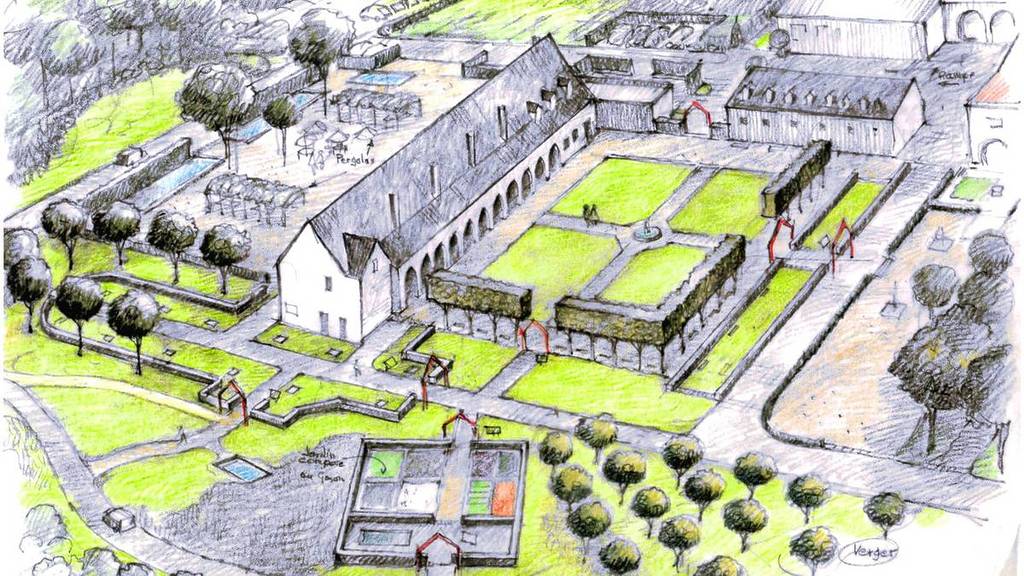
Architecturally, the monks shaped the landscape by draining the marshes and creating some fifteen ponds dedicated to fish farming. To protect themselves, the community surrounded itself with a large brick enclosure that still partially stands today. After surviving looting, the monastery was finally abandoned by its monks in 1784. Before its acquisition by the Belgian government in 1910, this heritage gem has lived many lives over the centuries.
A natural immersion: from the wild ponds to the Sonian Forest
Now designated a nature reserve, the Rouge-Cloître estate offers walkers a true alchemy of landscapes. Its wild ponds have become a refuge for waterfowl, while its wetlands are home to many protected animal species. Just a short walk away, the Jardin des Moines, housed in the former Maison du Portier, extends this reconnection with the land by offering workshops and a gourmet break at the “Relais Forestier,” an eco-friendly tavern featuring local flavors.
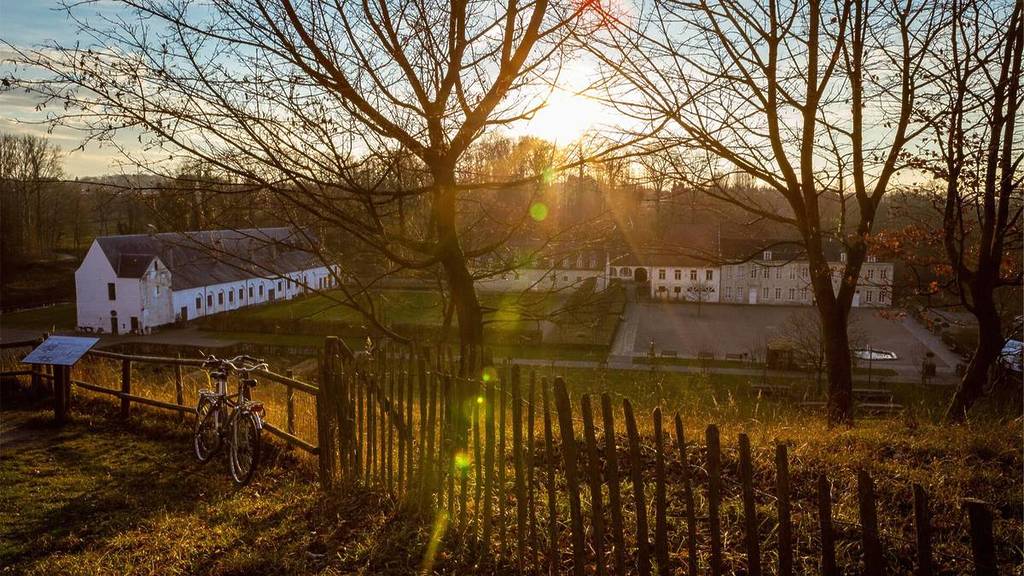
At the same time, the site pulsates with the energy of a thriving cultural hub. The Art Center hosts temporary exhibitions highlighting the close ties between writing and imagery. Lovers of imaginative storytelling will turn to the Théâtre de la Parole and its International School of Storytelling, true guardians of oral literature that present stage performances and festivals. Le Rouge-Cloître stands out as the ideal family outing to combine relaxation, artistic enrichment, and environmental awareness just outside Brussels.
📍Rue du Rouge-Cloître 4, 1160 Auderghem