
In the heart of the Léopold district, the Hôtel Lowenstein stands out as one of the most sumptuous examples of early 20th-century architecture. Built around 1920 for Alfred Lowenstein, this stately home reveals an aesthetic inspired by the City of Light. From fascinating optical illusions to stately salons with refined wood paneling and former stables, the site blends historical prestige with decorative virtuosity. Now part of the Council of State complex, this exceptional setting has successfully transformed its reception areas into venues for hearings and work. Immerse yourself in the history, memories, and treasures of a Brussels heritage gem that now serves the cause of justice.
From the City of Light to Brussels: The Epic Story of the Hôtel Lowenstein
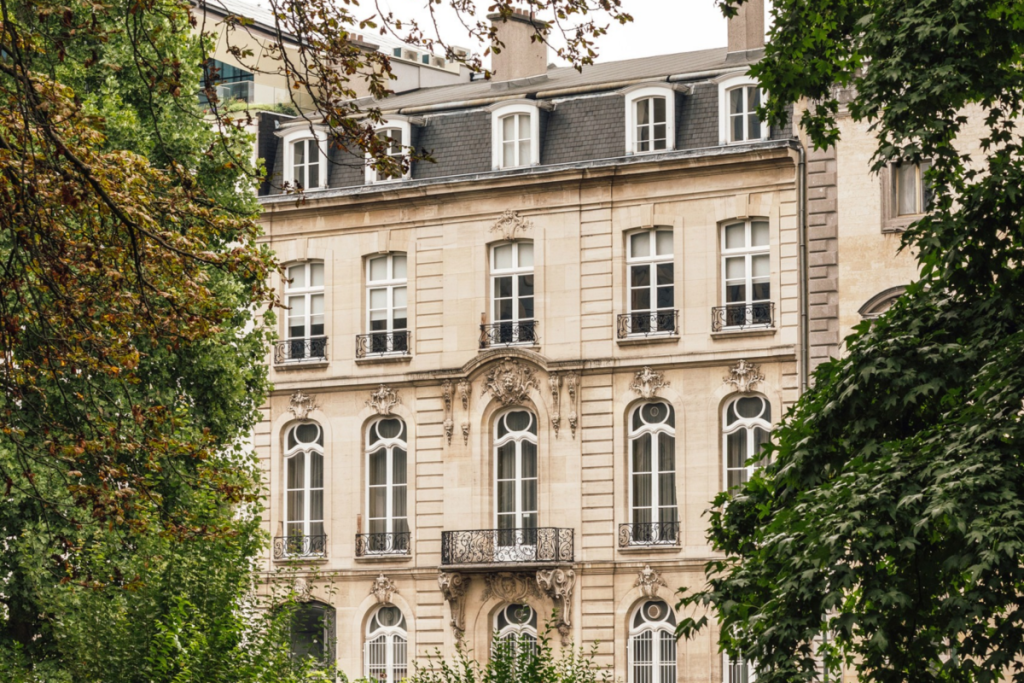
Built between 1919 and 1920, the Hôtel Lowenstein is located in Brussels’ prestigious Léopold district, a veritable stronghold of the aristocracy in the 19th century that has gradually been transformed into an institutional hub. Its patron, Alfred Lowenstein, was among the wealthiest men in the world at the time. This powerful Belgian financier wanted to build a stately home befitting his immense fortune, his taste for lavish receptions, and his passion for horses.
To bring this vision to life, the billionaire enlisted the Parisian architect Sigwalt, who designed a French-inspired building rooted in the Beaux-Arts style, then very much in vogue in Paris. Echoing the elegance of iconic establishments such as the Hôtel Lutetia, the building boasts a richly sculpted façade of great nobility. This architectural gem immediately stands out as a stylistic bridge between the City of Light and the Belgian capital, bearing witness to the neighborhood’s residential golden age before its owner’s mysterious disappearance in 1928.
Sumptuous interiors, unique stables, and a behind-the-scenes look at the Council of State
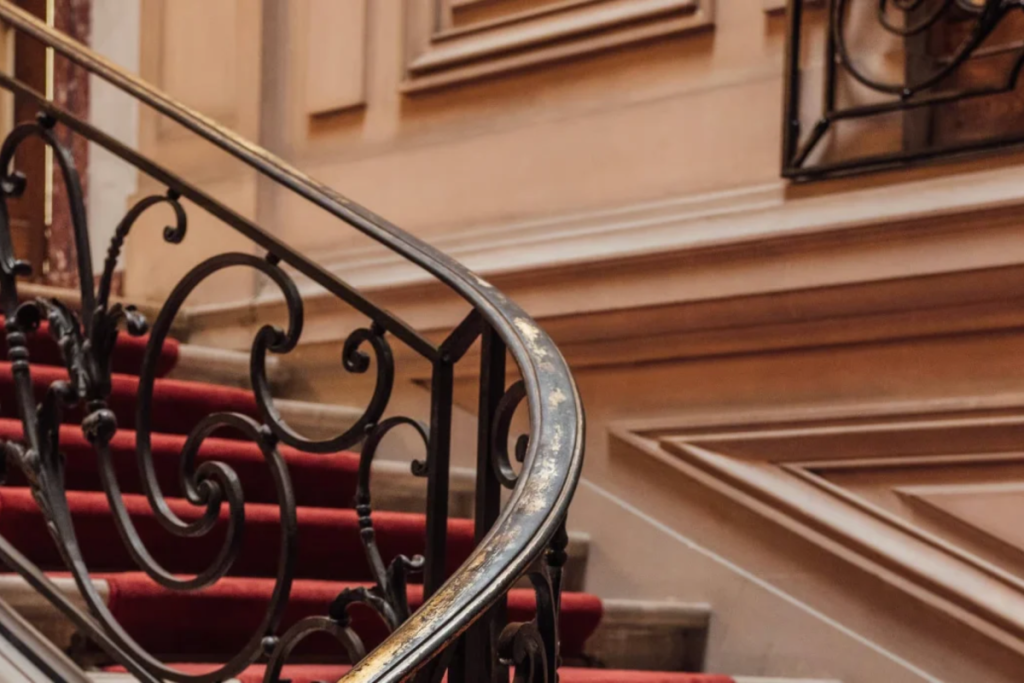
From the moment you enter the vestibule, the emphasis on symmetry and the interplay of perspective strike the imagination: mirrors extend the sense of space and mimic vast interior windows, while a majestic staircase beneath a dome bathes the hall in light. The reception rooms display an impressive wealth of decoration, ranging from a dining room adorned with panels painted with flowers, to a music room with Versailles-style parquet flooring, and a boudoir featuring painted chinoiserie motifs. At the far end of the courtyard, former stables arranged in a semicircle recall Lowenstein’s passion for horses, evoking the layout of prestigious Parisian mansions.
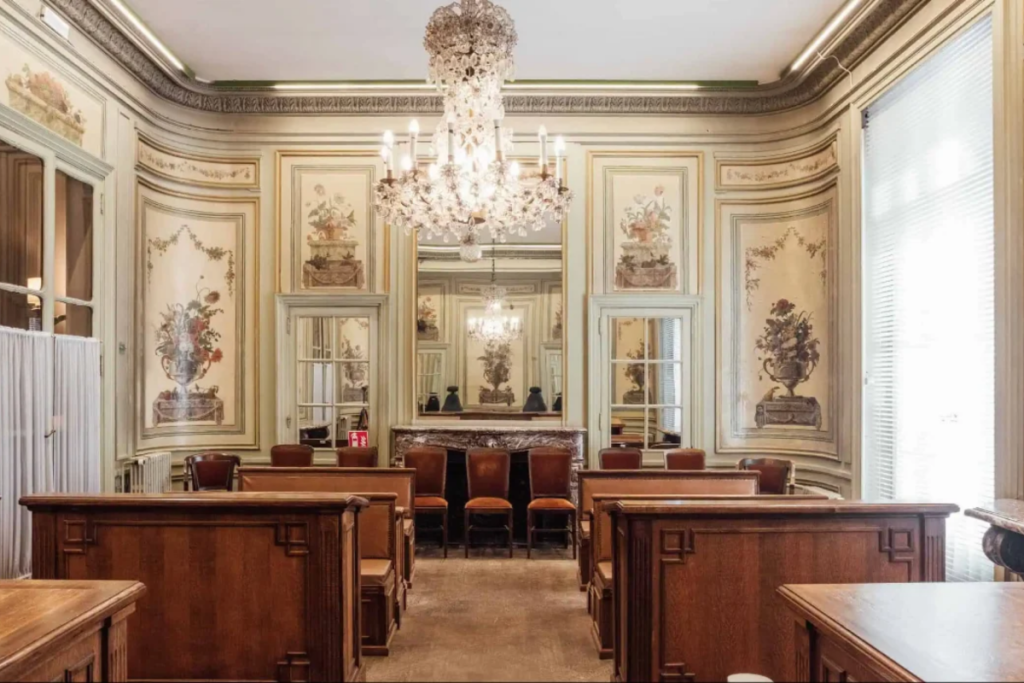
Since 1995, this exceptional setting has been part of the Council of State complex, whose historic headquarters are located in the neighboring Palais du Marquis d’Assche. The former state rooms have thus found a new purpose by hosting the public hearings of the administrative litigation division. Amid carved wood paneling, marble fireplaces, and reliefs dedicated to the arts, judges, attorneys, and citizens now convene in this beautifully preserved setting. The Hôtel Lowenstein has thus successfully reconciled the legacy of a grand aristocratic residence with the demands of the modern justice system.