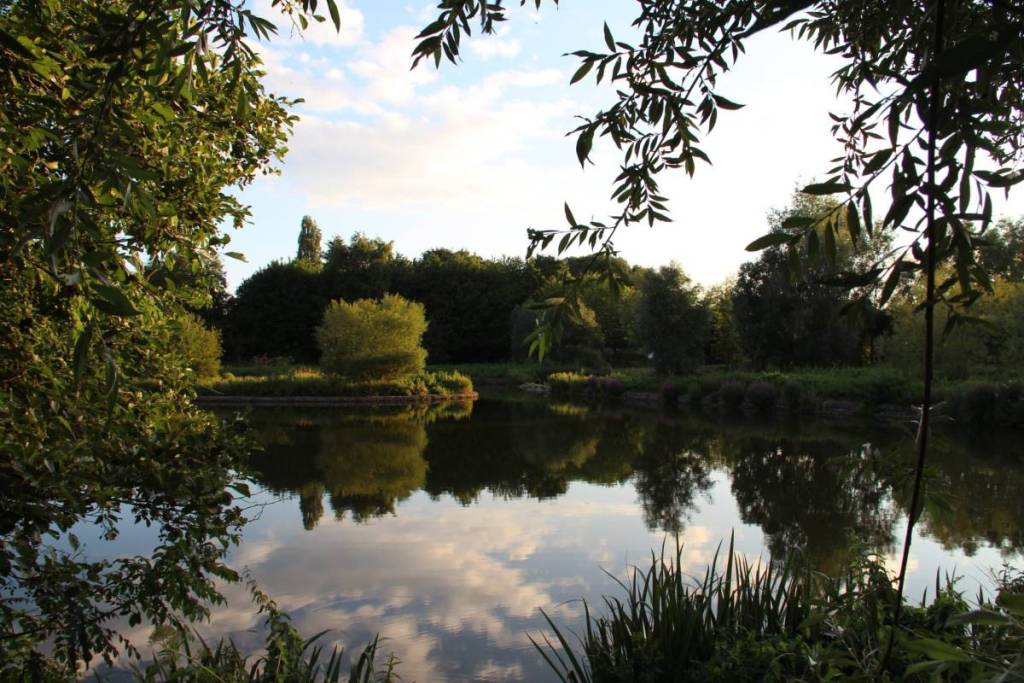

On the outskirts of Anderlecht, where the hustle and bustle of the city suddenly gives way to the Brabant countryside, the Pede Regional Park stands out as one of the capital’s most fascinating green gems. Nestled in the Neerpede Valley, this estate—shaped over the centuries—reveals a turbulent history, ranging from its past as a market garden to resistance against large-scale real estate projects and the rediscovery of its rural heritage. Today, centered around a vast 4.5-hectare pond, the site offers a precious refuge for astonishing biodiversity. From idyllic walks to model boat building and ecological initiatives, immerse yourself in the secrets of this rural retreat just outside Brussels.
How this agricultural valley in Anderlecht escaped being paved over
On the border between Dilbeek and Itterbeek, the Pede Regional Park unfolds its landscapes in the heart of the Neerpede Valley. Once a vegetable-farming region in the 19th century, this rural area nearly disappeared in the early 1960s. The development plan was finally implemented in the early 1980s: rather than paving over the valley, the authorities dug a large 4.5-hectare reservoir to prevent flooding along the Pede River. Now the park’s central pond, this body of water allows converted farms to coexist with new recreational spaces.

This conservation effort is accompanied by a commendable preservation of local heritage. Since 1997, the large reed bed and the neighboring Koevijver valley have been officially designated as protected sites. Nearby, the Luizenmolen—a mill dating from 1866 that was demolished for safety reasons in 1955—was rebuilt exactly as it was in 1999, extending this timeless setting all the way to the famous St. Anne’s Church in Itterbeek, painted by Bruegel in the 16th century.
Parc de la Pede: Preserved Biodiversity, Walks, and an Ecological Farm
Around the large pond, a picturesque walking path offers the chance to observe remarkable flora and fauna. Lined with willows and reed beds where valerian and water mint bloom, the pond is home to numerous fish and surprising Florida turtles. In the sky, walkers may spot gray herons, great crested grebes, and bats. A true outdoor playground for joggers, photographers, and model boat enthusiasts, the site offers a soothing retreat just a stone’s throw from the protected banks of the Vogelzangbeek.
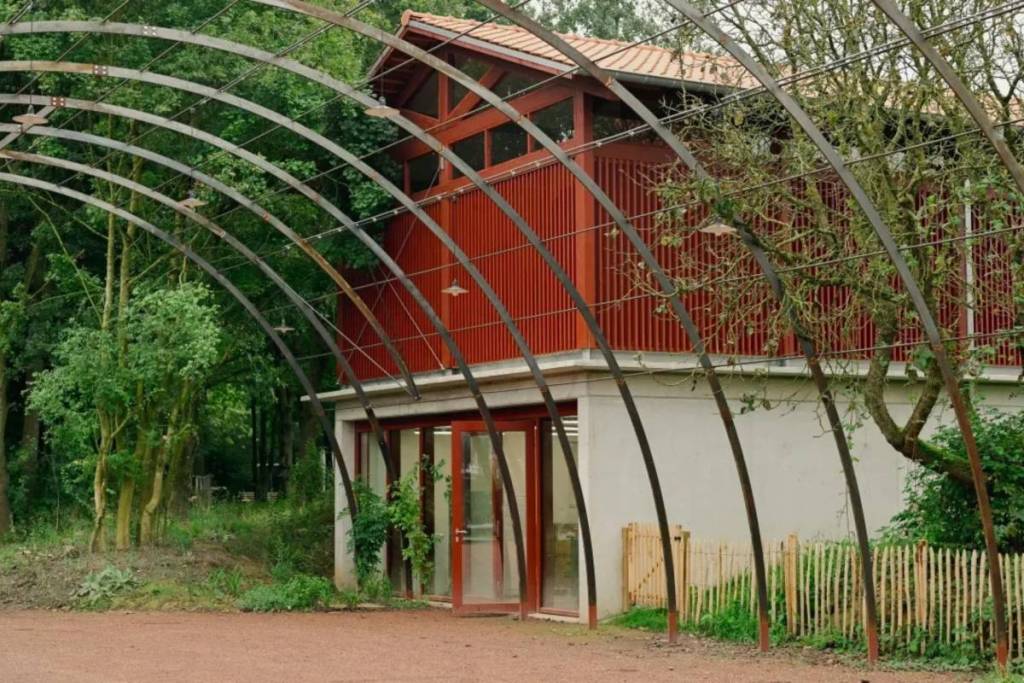
The journey continues at the Ferme du Chaudron, a 4,900-square-meter space transformed into an ecological farm. Managed by a dedicated cooperative, it brings together a vegetable garden, an orchard, a cannery, a grocery store, and a restaurant within eco-designed facilities. With its birdhouses, educational chicken coop, and open-air gathering space, this welcoming spot embodies Anderlecht’s rural and community-driven revival.