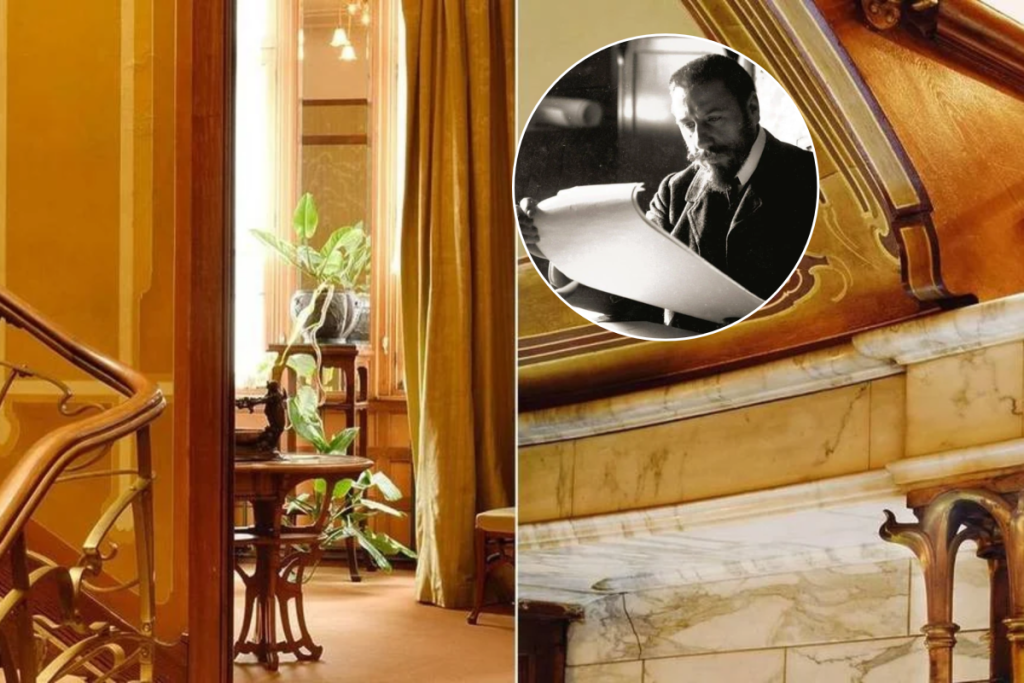

At the turn of the 20th century, Victor Horta transformed the Brussels landscape by inventing Art Nouveau, a revolutionary style based on light, metal, and organic curves. Now an essential tool for exploring this exceptional heritage, the Art Nouveau Pass offers exclusive access to the architect’s greatest masterpieces, from the pioneering Maison Autrique to the prestigious Horta Museum. Built between 1898 and 1901 on Rue Américaine, this former personal design studio has weathered more than a century of history. Listed as a UNESCO World Heritage Site, the residence and its studio offer a captivating immersion into the master’s original living environment.
Art Nouveau in Brussels: How to Visit Victor Horta’s Masterpieces?
In 1893, Victor Horta laid the foundation for Art Nouveau with the Maison Autrique, ushering in a decade of dazzling creativity. Through masterpieces such as the Tassel, Solvay, and van Eetvelde mansions, the architect revolutionized residential design using metal, glass, and organic structures bathed in light. To explore these treasures scattered throughout the capital, the Brussels Art Nouveau and Art Deco Pass is the perfect key. This digital pass grants access to three iconic residences, with discounts on guided tours.
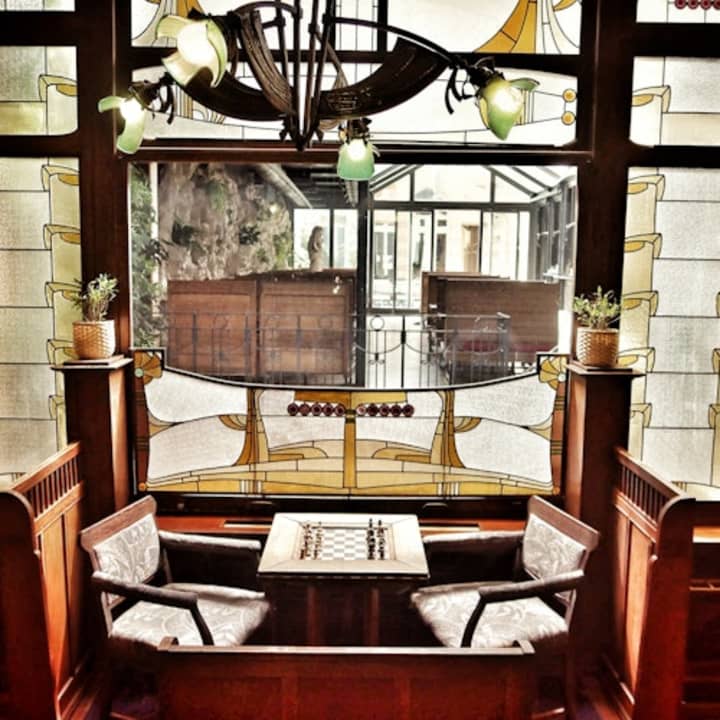
Brussels Art Nouveau and Art Deco Pass
27 October 2026 00:00 + more dates
Bruxelles
Access to these exceptional interiors offers a unique insight into the extraordinary decade during which Horta crafted his most inventive works. Spanning a radius of barely five kilometers, this open-air architectural laboratory bears witness to a total art form where structures, ornamentation, stained-glass windows, and custom-made furniture blend with natural grace. Exploring these residences allows one to appreciate the revolutionary impact of a designer who permanently transformed the face of Brussels, paving the way for the subsequent emergence of Art Deco.
From Studio to UNESCO-Listed Museum: The Rebirth of Rue Américaine
In 1898, Victor Horta acquired two plots on Rue Américaine in Saint-Gilles to build his own home and studio. Completed in 1901, this dual-purpose building became the architect’s true laboratory: the spaces are organically arranged around a spectacular, light-filled stairwell. However, in 1919, as Art Nouveau was giving way to Art Deco, Horta sold his home and moved to Avenue Louise. It wasn’t until 1961 that the municipality purchased the house, before reintegrating the studio into it ten years later.
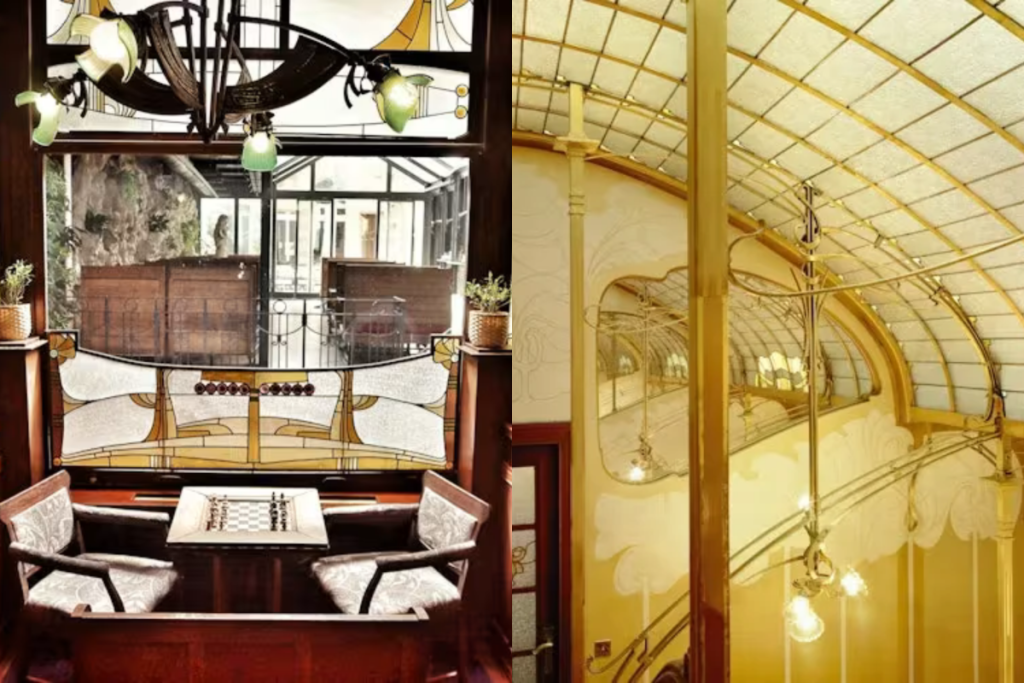
Crowned in 2000 with a UNESCO World Heritage designation alongside three other major Horta residences, the House-Studio offers an authentic immersion into the designer’s private life thanks to ambitious restoration campaigns. In 2007, the museum reached a new milestone with the acquisition of the neighboring house for 1.25 million euros, thanks to support from Beliris. This expansion provides new exhibition spaces, a research library, and an archives center, allowing the site to evolve while preserving the original sanctuary.