
In the heart of the Borinage, a few kilometers from Mons, the grounds of Boussu Castle stand as a major testament to Wallonia’s cultural and architectural heritage. Built in the 16th century, this exceptional stately home has gone down in history as the pioneer of Renaissance architecture in Belgium. Although marked by military occupations, the Revolution, and the destruction of World War II, the site today reveals its glorious past through its exhibitions and the sculptures in its burial chapel. Embark on a fascinating journey combining historical treasures, a romantic English-style park, and practical information!
From Medieval Origins to a Renaissance Palace: The Fascinating History of Boussu
Perched on a promontory overlooking the Haine Valley, the Boussu estate traces its roots back to the Middle Ages, with a medieval fortress dating as far back as the 13th century. But the site took on a whole new dimension in 1540. To mark his prestige during the reign of Charles V, John V commissioned an exceptional palace from the architect Jacques Du Broeucq. This sumptuous building thus became the first Renaissance-style castle in Belgium, admired for its refinement before being shaped by the passage of centuries.
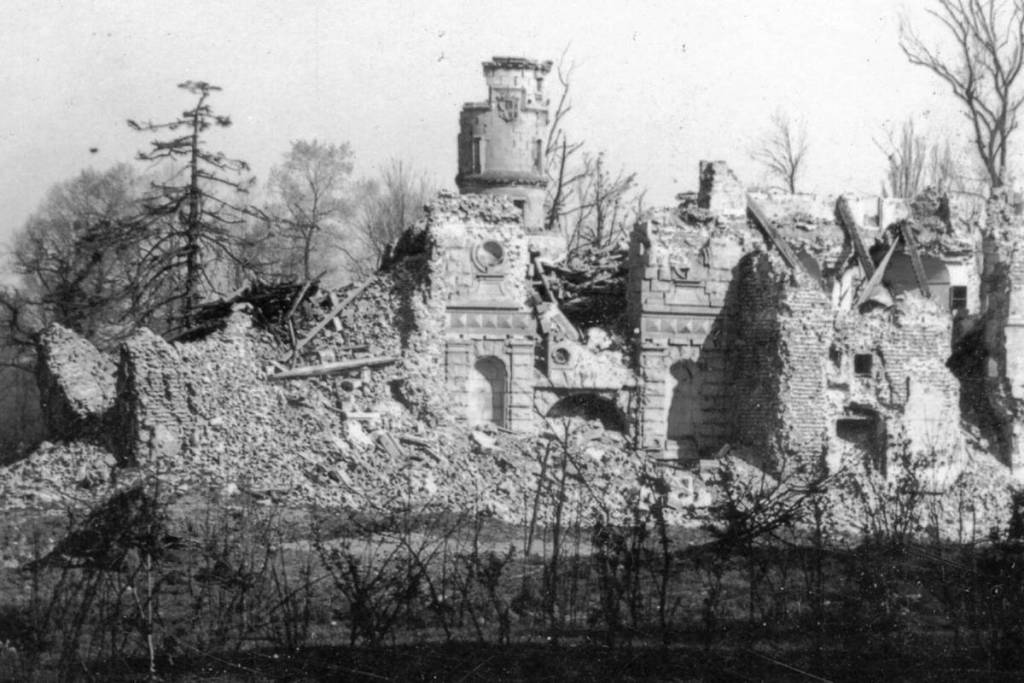
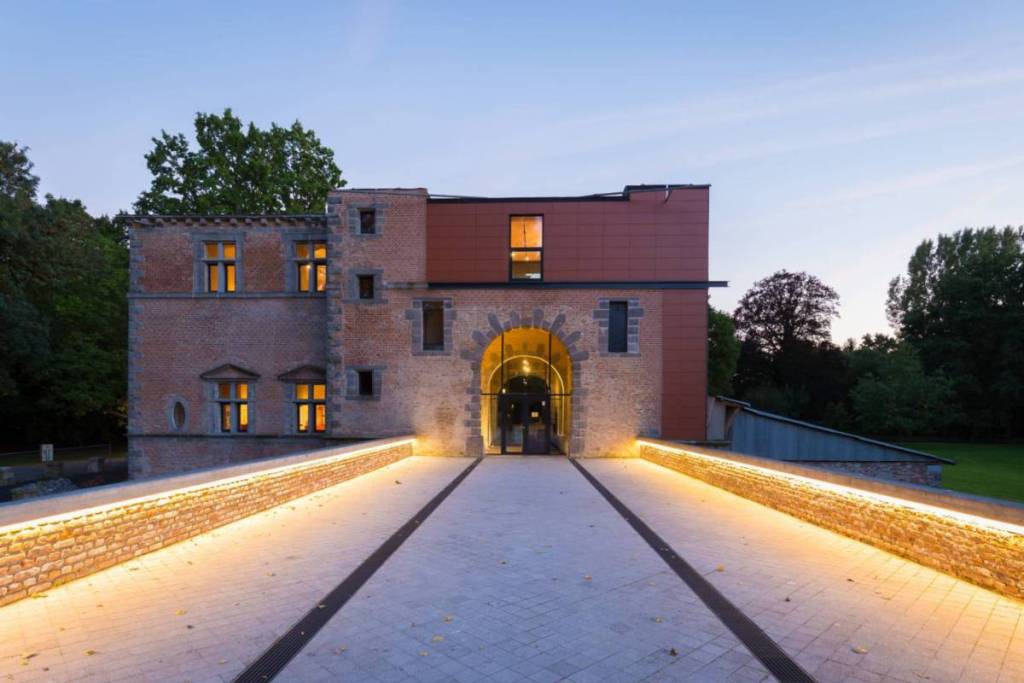
However, the castle’s fate took a tragic turn on September 2, 1944, when a German explosion reduced the residence to ruins. The sole survivor,the former 16th-century entrance gatehouse, now houses a captivating interpretation center. Through four exhibition halls, the interior tour immerses visitors in the heart of the archaeological discoveries made over the past thirty years. Here, visitors can explore the legacy of the lords of Boussu, a model ofthe former fortress, and rare artifacts tracing more than seven centuries of regional history.
A timeless escape, nestled among lush greenery and sculpted treasures
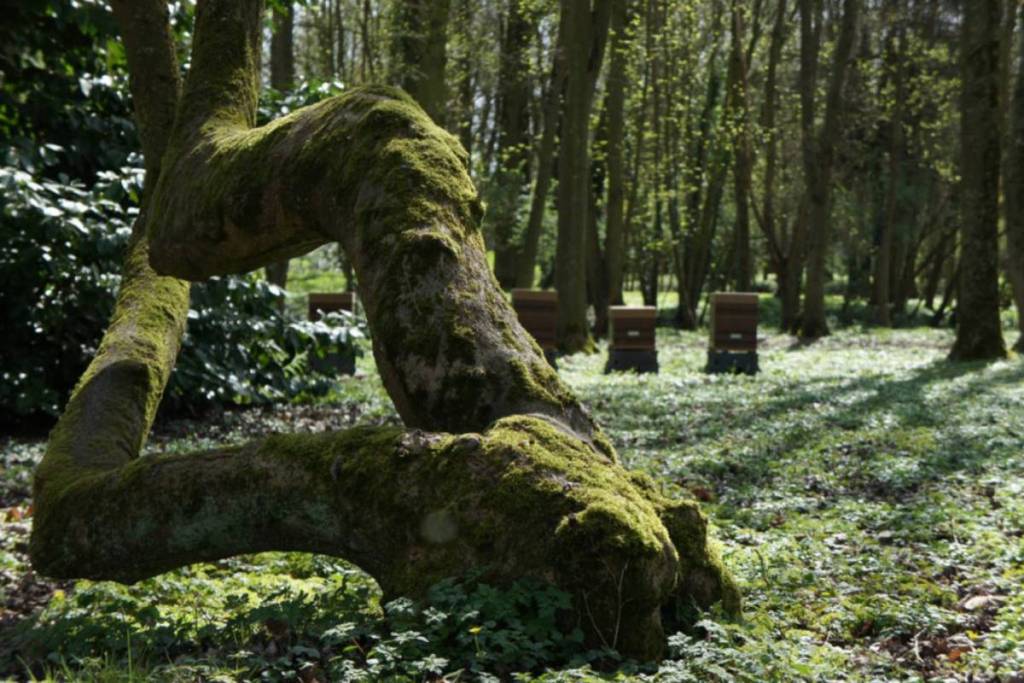
Surrounding the ruins, the estate features a 12-hectareromantic English-style park laid out in the 19th century, which is open free of charge every day of the year. This haven of peace includes a fitness trail, an observation pavilion, and large wooded areas ideal for family walks or events such as Heritage Days. The visit continues in the entrance gatehouse at the Interpretation Center, open Thursday through Sunday from March through October.
The tour ends 300 meters from the castle, withinthe Saint-Géry parish grounds, where the funeral chapel of the lords of Boussu stands. Open on Saturday mornings from May through September, this Gothic sanctuary houses Renaissance masterpieces. Here you can admire two striking “transis” and sculpted mausoleums, as well as a collection of religious art dating from the 12th to the 19th century, making Boussu one of the most surprising cultural stops in Hainaut.