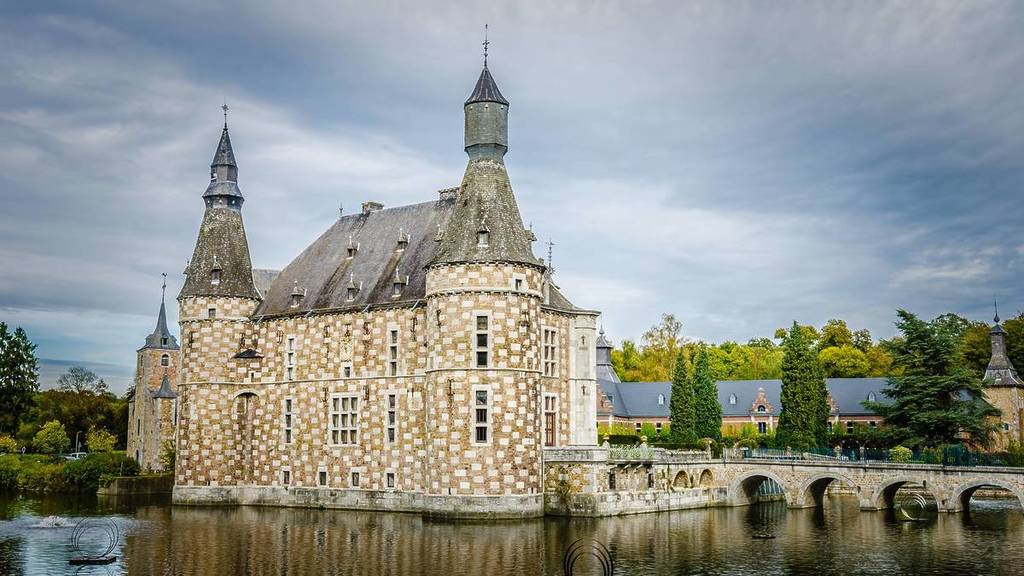

Are you familiar withthe imposing checkerboard silhouette of the Château de Jehay? Bordered by sparkling moats, this fortress of the Meuse Renaissance, classified as an Exceptional Heritage Site of Wallonia, hides a fascinating history. From the intrigues of the Middle Ages to the priceless artistic treasures brought by the high nobility, the estate captivates visitors as much with its stonework as with the secrets of its former residents. Outside, 22 hectares of pure poetry await visitors, between the dramatic vistas of an Italian-style park dotted with mythological bronzes and the serene beauty of an illustrious vegetable garden. Journey to the heart of this vibrant site for a magical, timeless getaway.
The Enigma of the Checkered Stone: The History of Château de Jehay
While the seigneury of Jehay traces its roots to the Middle Ages, its destiny took shape in 1537 when Jehan Helman de Sart undertook the reconstruction of the castle. This marked the birth of this masterpiece of the Meuse Renaissance, classified as Exceptional Heritage of Wallonia and unique in Europe thanks to its checkerboard pattern alternating limestone and brick. Following the illustrious families of Merode and van den Steen, the Province of Liège acquired the estate in 2000 to carry out a major architectural restoration project.
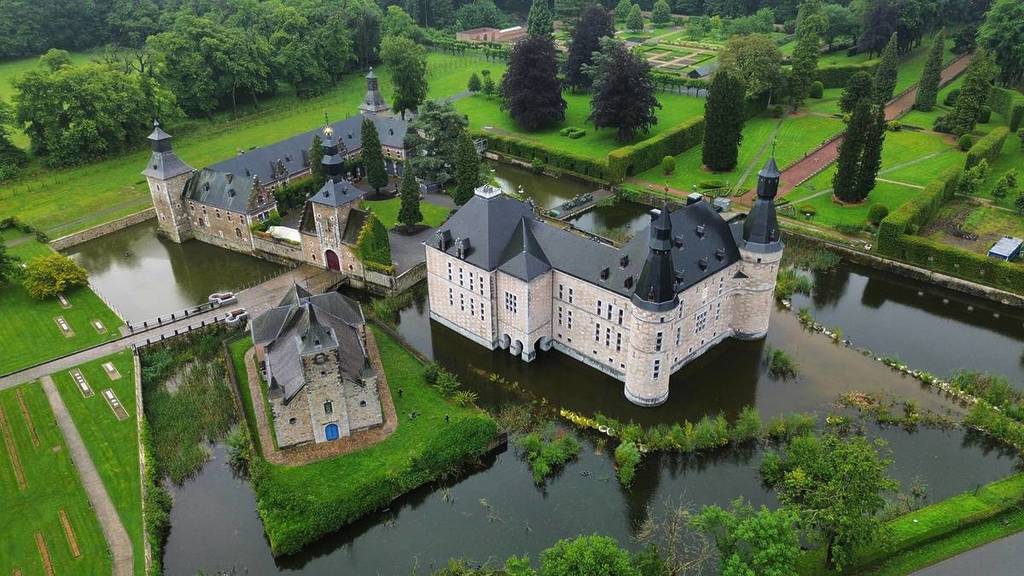
In 1950, Count Guy van den Steen and his Irish wife furnished this residence to restore its aristocratic splendor. Their outbuildings now host exhibitions showcasing a breathtaking collection of tapestries, fine silverware, and antique books. Some of these treasures, in fact, come from Lady Moyra’s sumptuous family castle in Ireland. From period grimoires to Europe’s most exquisite archaeological gems, Jehay retains its legendary refinement intact.
A natural immersion in the heart of 22 hectares of poetry
Spanning a majestic estate, the grounds of Château de Jehay invite you to take a stroll where art converses with nature. Completely redesigned in the mid-20th century, the ornamental gardens draw inspiration from Renaissance Italian parks. Amid theatrical vistas and water features, visitors encounter graceful bronze nymphs. Beyond the two-century-old arbors and some fifteen listed trees, the paths conceal a curiosity: an authentic 19th-centuryicehouse.
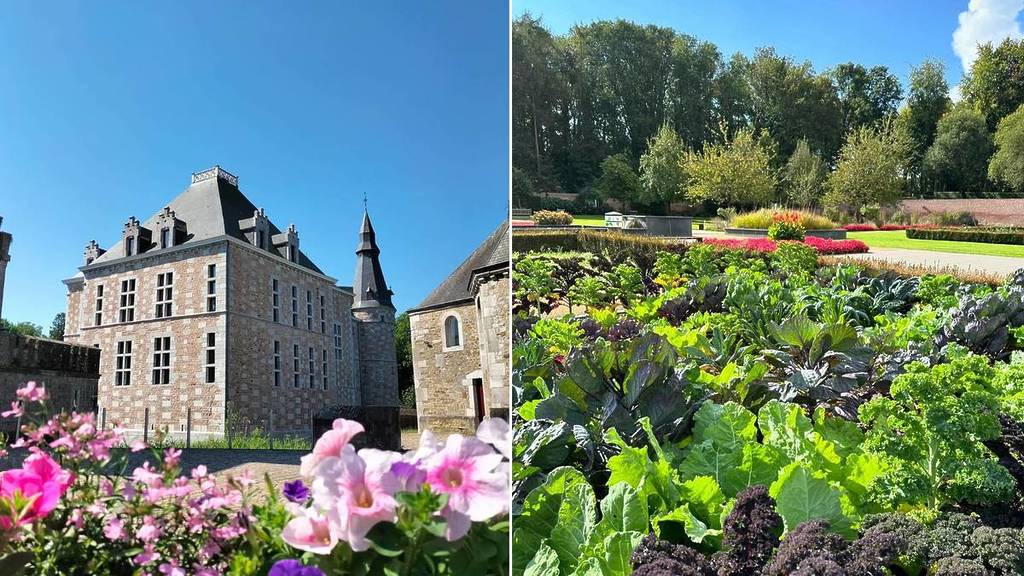
At the edge of the woods, the historic one-hectare vegetable garden offers a respite frozen in time. Fully restored, this haven of peace embodies a beautiful ecological and educational mission. Eighteen plots are home toheirloom vegetables and edible flowers, while thirty-four varieties of apple and pear trees line the walls. To complete the magic, beds of lavender, rosemary, and thyme exude a sweet, southern fragrance. A vibrant site that comes alive year-round with a scheduleof captivating exhibitions and evening events.
📍Rue du Parc 1, 4540 Amay