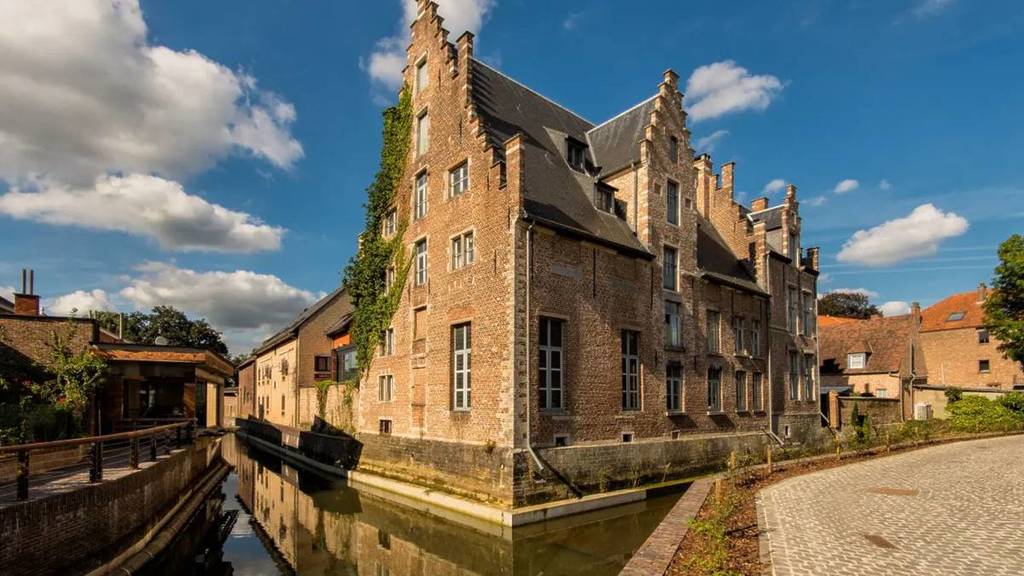

Head to Diest, a historic gem nestled on the edge of Flemish Brabant. A former sentinel watching overthe Belgian state, this fortified city invites you on an epic journey through its military past. From its unique pentagonal brick citadel to the ramparts encircling the city, each bastion tells a story steeped in prestige. But Diest also promises absolute serenity: between its UNESCO-listed beguinage and the vast wild plains of Webbekoms Broek, nature reclaims its place with poetic grace. From the treasures ofSt. Sulpitius Church to the bustling energy of its spring fair, let yourself be charmed by this must-visit Belgian town, a true symbol of the region.
Diest: the transformation of a historic Flemish city
A former sentinel standing on the Demer, the city of Diest has forged an identity inseparable from its military past. As early as 1837, the city was equipped with an impressive belt of moats and ramparts to protect the country. The crowning jewel of this defensive strategy remains its Citadel, a massive pentagonal brick structure built between 1845 and 1853 on a hill overlooking the city. Designed as a last refuge, it was completely self-sufficient—from its bakery to its armories—protecting local troops.
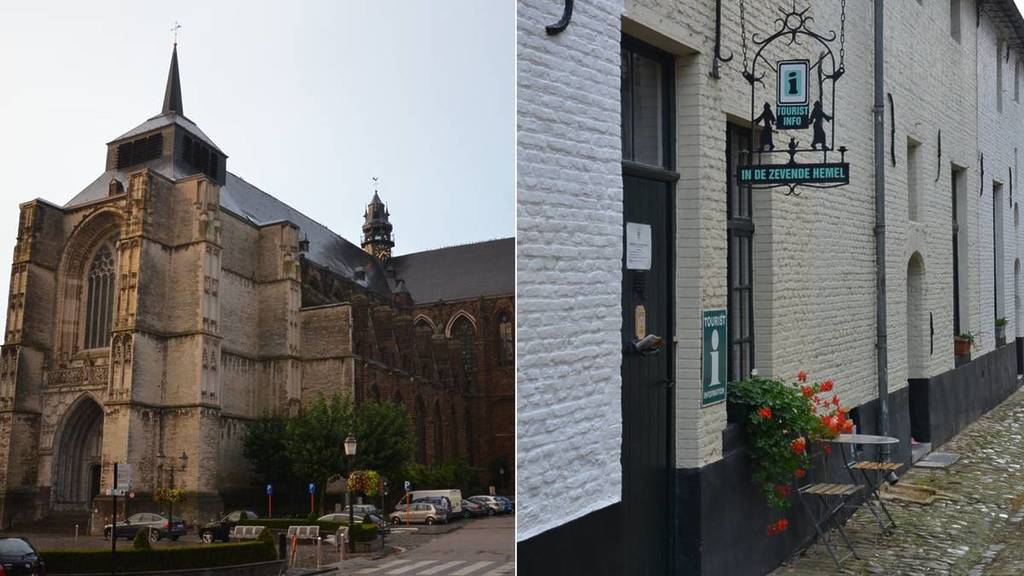
Today, this fortified city is undergoing a spectacular transformation, much like the Citadel, which is becoming a major hub for culture and leisure. Beyond the bastions and Fort Leopold, the historic heart of Diest reveals a prestigious heritage, highlighted by the Gothic architecture of Saint-Sulpitius Church. Diest creates a dialogue between its war-worn bricks and its restored Flemish facades, with a renewed urban elegance. A poignant legacy that now resonates to the rhythm of a vibrant modernity.
Beguinage and wild plains: a natural immersion unique in the world
The journey continues in an almost mystical silence at the Beguinage of Diest. Listed as a UNESCO World Heritage Site, this gem founded in the 13th century is one of Belgium’s best-preserved treasures. At the heart of this veritable “village within the city,” whitewashed brick houses line the cobblestone alleys. Travelers can even spend the night there, savoring the centuries-old tranquility of this timeless refuge. Amid the rosebushes and historic facades, time seems to have stood still, offering a completely rejuvenating escape.
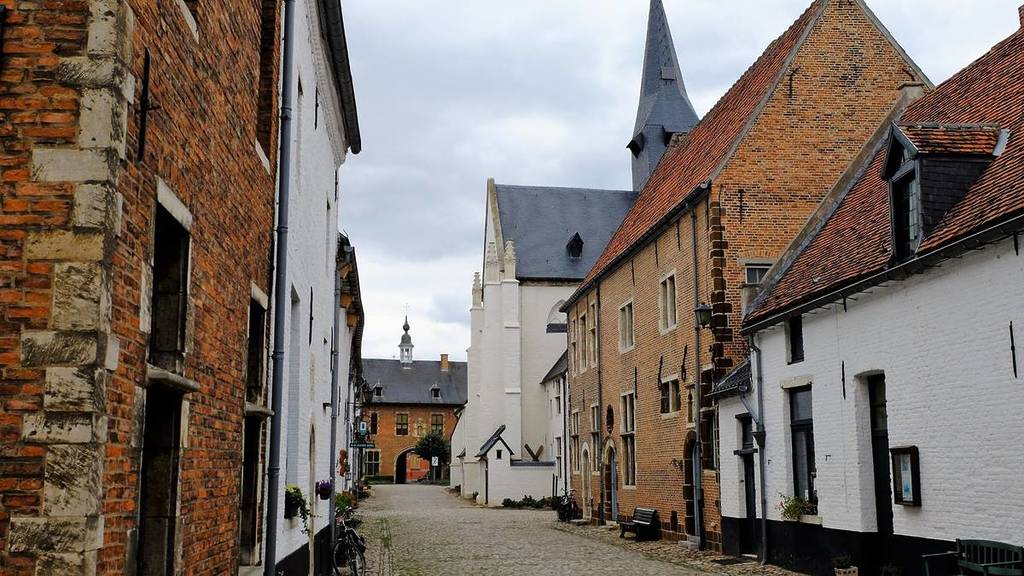
And just a stone’s throw from this haven of peace, nature reclaims its place at Webbekoms Broek, a captivating nature reserve that guides walkers through reed beds and flower-filled meadows. This “green lung” offers a wild escape, contrasting with the excitement of the Spring Fair, the city’s authentic symbol. Between the quiet contemplation of the beguinage and the festive spirit of the city’s celebrations, Diest stands out as a multisensory destination, less than an hour from the capital.