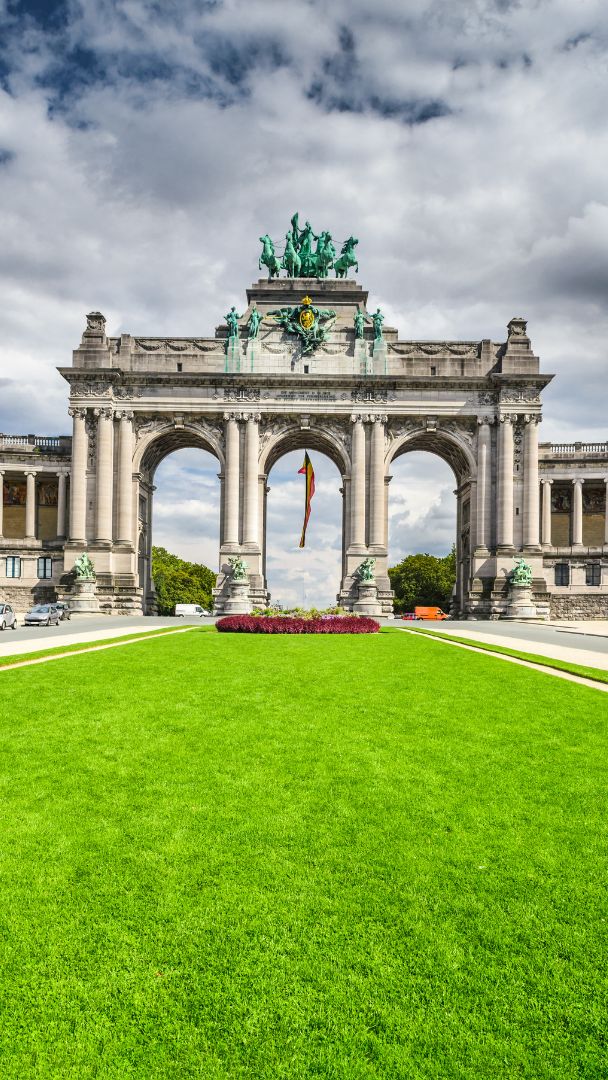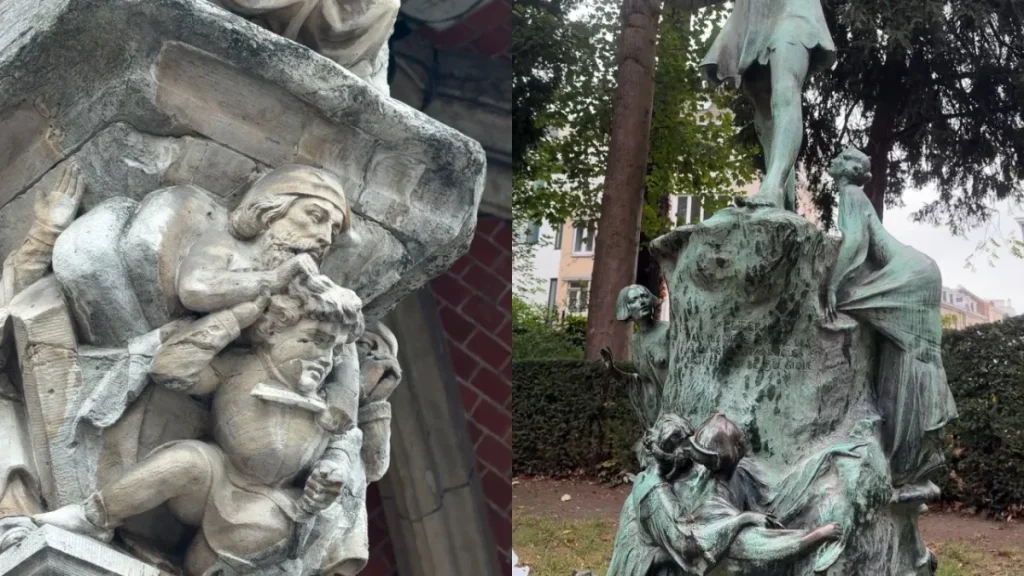

In the heart of the capital, many sites are home to monuments that tell stories from the past that have shaped the city. Egmont Park is home to an exact replica of London’s Peter Pan, while a relief in the city center depicts a magistrate slitting his own nephew’s throat. The capital’s statues conceal little-known stories that often go unnoticed by passersby, ranging from international friendships forged after World War I to extreme acts of justice.
Tributes to Friendship and Resistance: The History of Brussels’ Statues
Along Egmont Park, the statue of Peter Pan is not just a simple literary nod. Donated to the City of Brussels by its sculptor as a token of gratitude after World War I, the work symbolizes the friendship between British and Belgian youth. The bronze monument also bears the signature of J.M. Barrie, the author of the famous story.
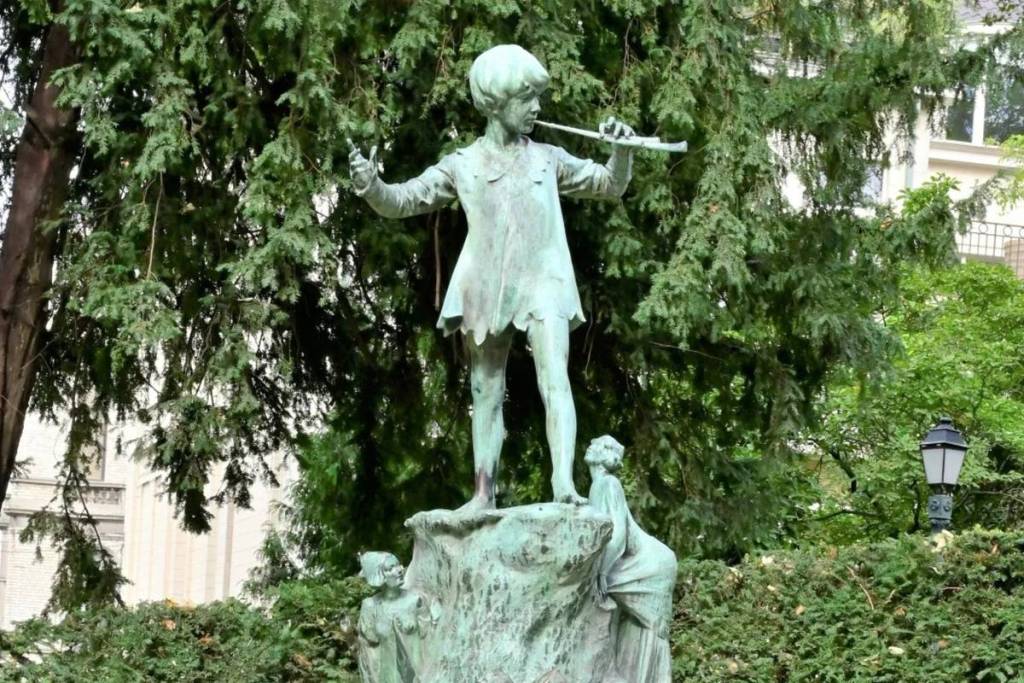
A few streets away, on Place Saint-Jean, stands the figure of Gabrielle Petit. This young woman from Tournai worked as a spy for the Allies. Arrested by the German occupiers, she categorically refused to betray her comrades-in-arms. Before being executed by firing squad in 1916, she uttered a phrase now engraved on her pedestal: “And I will show them how a Belgian woman knows how to die.”
The figure of relentless justice
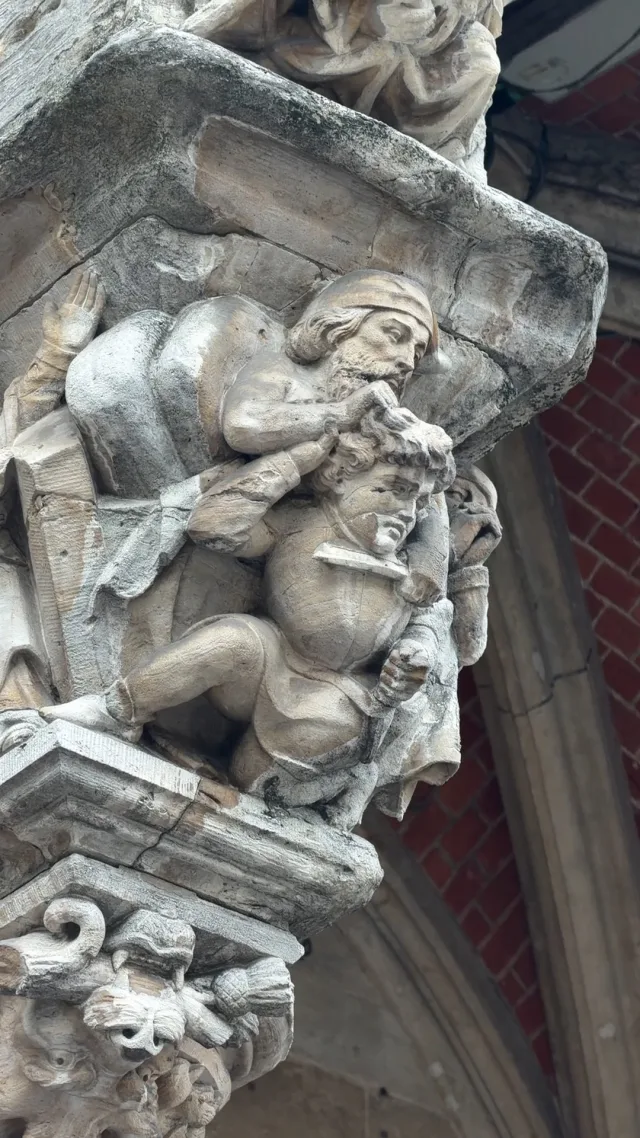
Brussels’ sculptural heritage also includes architectural elements incorporated into buildings. On one of the historic facades of the Grand-Place, a carved relief depicts the story of Herkenbald. This Brussels magistrate is depicted on his deathbed at the moment he slit his own nephew’s throat. The nephew had committed a serious crime, but no one dared to condemn him. A radical act frozen in stone, it has become a symbol of impartiality and absolute justice.
These three works scattered throughout public spaces illustrate the diversity of historical events embedded in the urban landscape, offering direct access to the region’s past during a stroll.