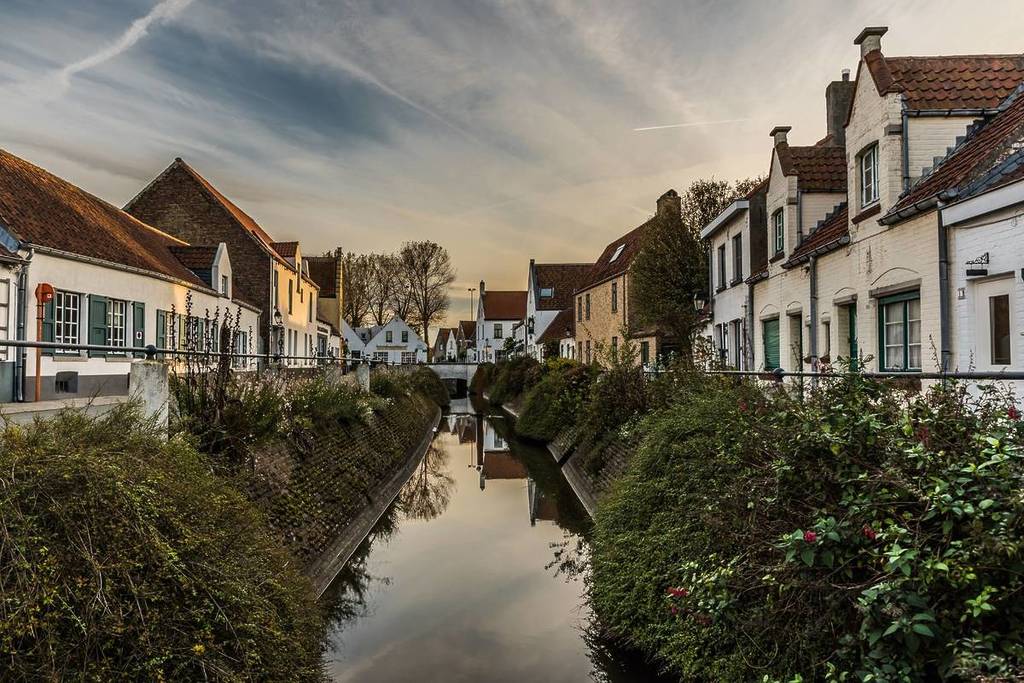
A stone’s throw from the coast, the municipality of Lissewege is classified as one of the most beautiful villages in Flanders. Nicknamed the “white village,“ this medieval town reveals a fascinating open-air museum where time seems to have stood still.
A true reflection of the Flemish villages of yesteryear, this immaculate architectural gem transports you to its vast expanses of polders and flower-bedecked houses. Between the monumental silhouette of its bell tower and its unique artistic atmosphere, this hidden gem on the outskirts of Bruges offers a relaxing break, sheltered from the hustle and bustle of Brussels.
The splendor of the white village at the heart of a preserved Flemish architectural heritage
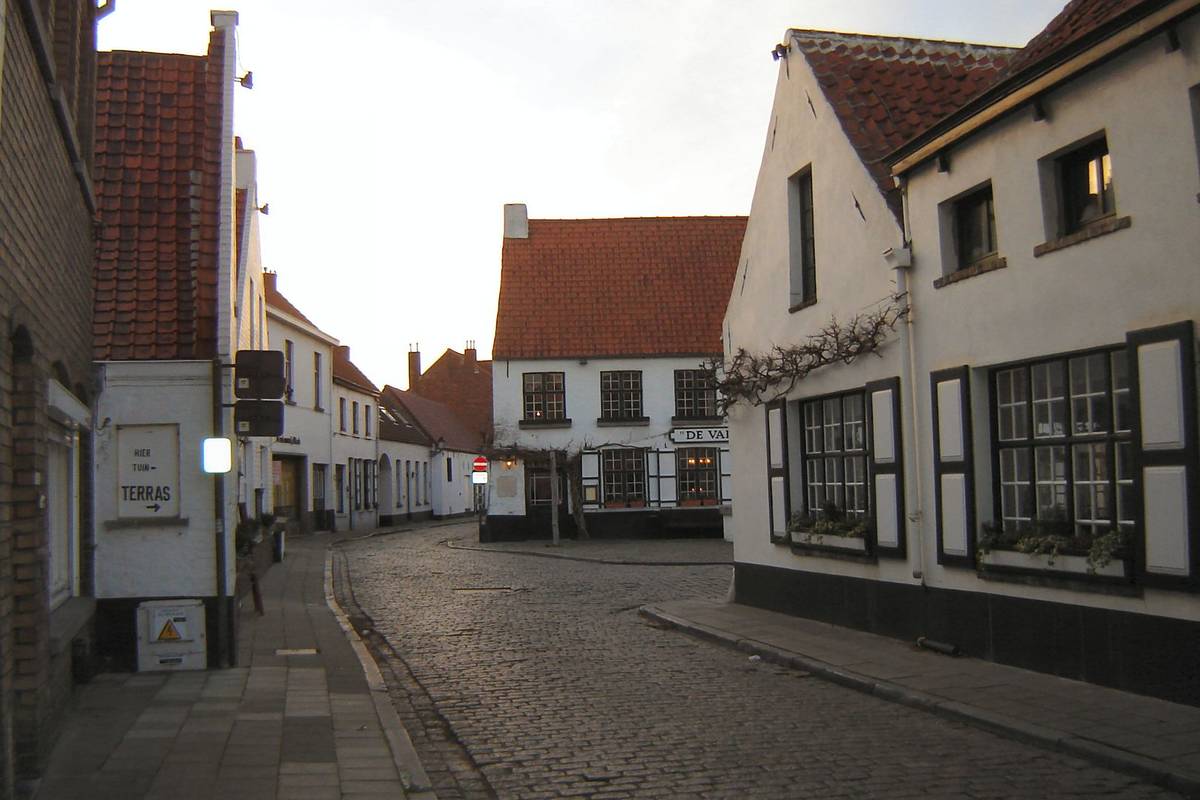
The soul of Lissewege is revealed at every turn. As you stroll through its narrow streets, you will discover the charm of its preserved architecture, with traditional whitewashed houses contrasting with the strength of its historic red-brick buildings. This unbreakable setting with its unique aesthetic is also a witness to an ancestral history dating back to the beginning of the second millennium, when the village was an essential stop for pilgrims on the road to Santiago de Compostela.
 © LimoWreck
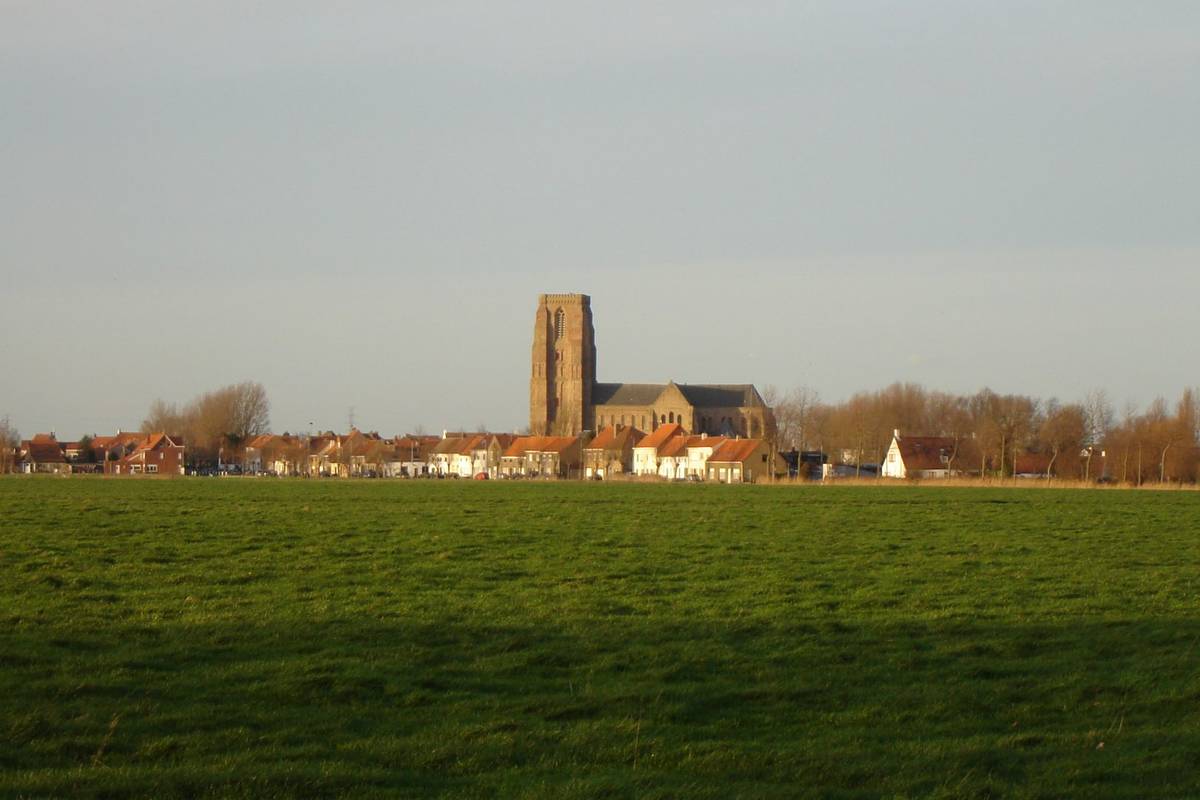
This medieval powerhouse rises skyward with the Church of Our Lady of the Visitation. This brick giant, built in the 13th century in an early Gothic style, dominates the skyline and offers a sublime view of the coast from the top of its 264 stone steps. The immersion continues at the former Ter Doest Abbey, which reveals an intact monumental Cistercian barn with an almost spiritual atmosphere. These impressive remains bear witness to the past grandeur of this Flemish stopover.
A sensory escape between art galleries and wild nature
Beyond the bricks, Lissewege lights up in the heart of the polders, those plains of land reclaimed from the sea and surrounded by dykes, so emblematic of the Belgian landscape. A setting that reveals an infinite fusion between water and sky, stretching as far as the eye can see. A walk along the banks of the Baudouin Canal, connecting Bruges to the spray of the North Sea, is a must. A haven of wild peace where green pastures welcome cows and migratory birds that find refuge in the serenity of the place.
 © LimoWreck
This exceptional natural environment blends with the artistic authenticity of the village. From the Museum of Saints and its unique collection to the local art galleries, creativity is omnipresent, accentuated by the annual “Sculptures in the White Village” exhibition. Finally, the journey is completed around a generous table at the Ter Doest restaurant, where you can enjoy gourmet local cuisine, the perfect way to round off your Flemish stay.