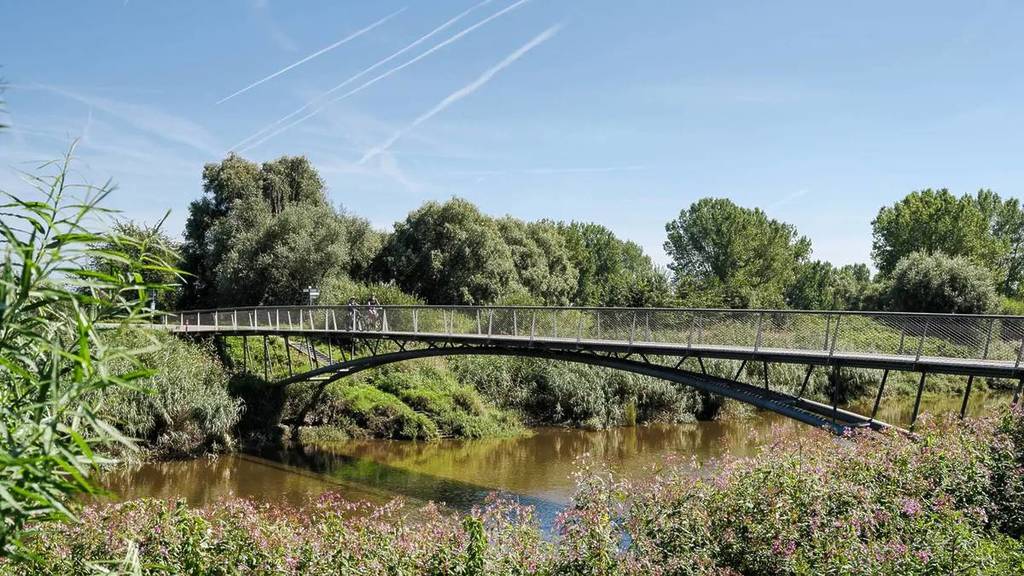

Just a few kilometers from Mechelen lies one of Belgium’s best-kept secrets: the hamlet of Zennegat. Nestled on a narrow strip of land, this almost unknown village seems completely cut off from the world. A journey into its unusual past reveals origins dating back to the 18th century, before the place became a bohemian and rebellious haven in the 1960s. The exploration continues in the heart of a wild and spectacular natural setting: a 650-hectare protected river landscape where three waterways converge, ideal for strolling along suspended bike bridges and bucolic trails of breathtaking beauty.
An unusual past at the confluence of waters: the identity of Zennegat
Founded in the 1750s under Austrian rule, the hamlet of Zennegat takes its name from the famous river that today flows secretly beneath Brussels. It wasEmpress Maria Theresa who ordered the digging of the Leuven-Dijle Canal to transport beer and raw materials, mandating the construction of a lock at this precise location. To quench the soldiers’ thirst, a tavern opened its doors there, later attracting renowned artists from Mechelen.
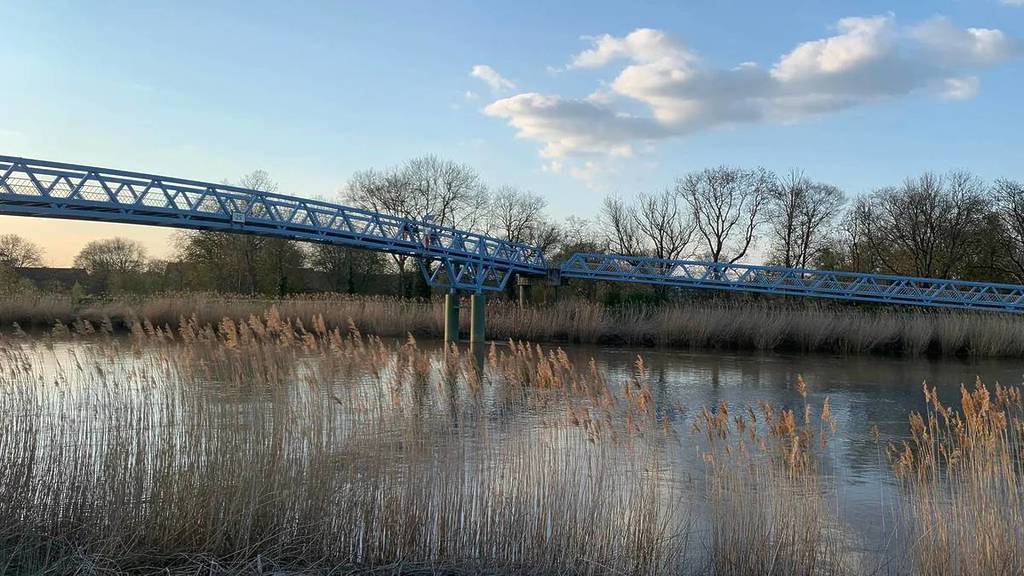
Nestled on a narrow strip of land at the confluence of three rivers, this almost unknown village takes shape through a row of modest houses and its historic old café. In the 1960s, this isolated spot, surrounded by marshes, became a hippie hangout, in stark contrast to the locals. Even today, Café Zennegat 13 perpetuates this alternative, timeless atmosphere, with its worn wooden tables, stacks of books, and oil paintings.
In the realm of the three rivers: a bucolic immersion along the water’s edge
Beyond its authenticity, Zennegat proves to be the starting point for a spectacular journey into nature. The hamlet lies at the heart of a protected river landscape spanning over 650 hectares. This is where the Senne, the Dyle, and the Leuven-Dijle Canal converge. This unique wetland is home to diverse vegetation and a well-preserved local fauna. The site offers an idyllic setting for a contemplative break, an impromptu picnic on the banks, or a rejuvenating stroll through the surrounding greenery.
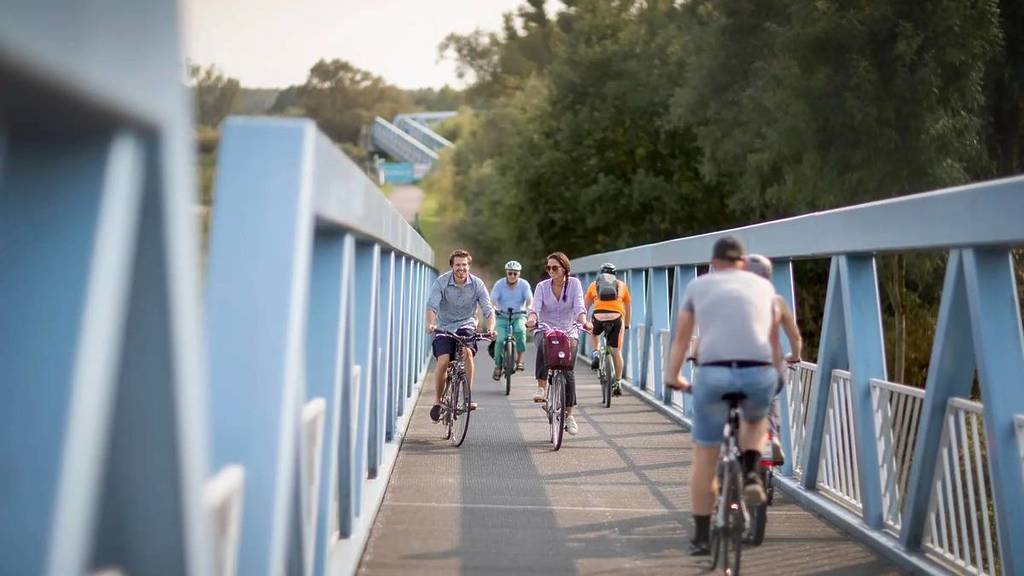
A favorite among adventure lovers, this wild setting is best explored on foot or by bike. Among the must-see attractions are the famous Blue Pedestrian Bridges, suspended at the confluence of the Dyle and the neighboring Nete, which beautifully connect the towns of Walem and Rumst while offering breathtaking views of the confluence. Whether you’re admiring the reflections on the water along the canals or capturing these unique landscapes, this riverside getaway promises a complete escape.