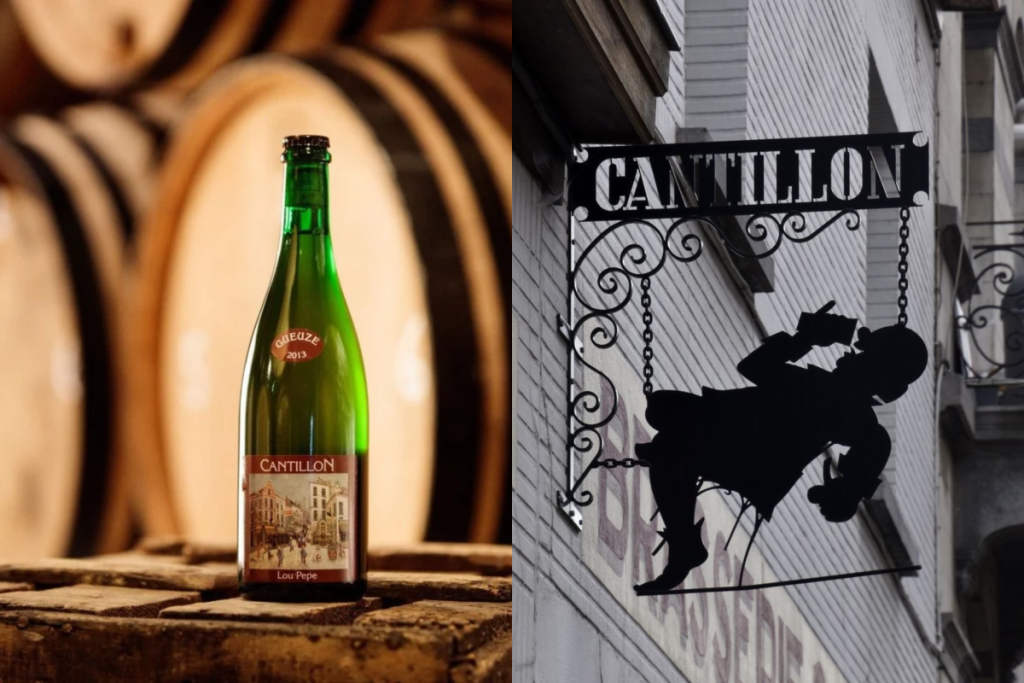

A true time machine right in the heart of Brussels, the Cantillon Brewery embodies the living spirit of the traditional art of brewing. Founded in 1900 by the Van Roy-Cantillon family, this legendary institution carries on the ancestral know-how of spontaneous fermentation, which gave rise to Gueuze and Kriek. From its vintage copper vats to its century-old barrels, the site is home to the Brussels Gueuze Museum, saved in the 1970s to preserve a unique heritage. Between 19th-century brewing secrets, exceptional tastings, and a culinary immersion in the heart of local flavors, discover this fascinating gem of the capital.
From the 19th Century to the Gueuze Museum: A Journey Back to the Era of the Master Brewers
Inspired by the Champagne blending method attributed to Dom Pérignon, the advent of the glass bottle in the 19th century revolutionized the Brussels brewing world with the birth of Gueuze, a masterful blend of several spontaneously fermented Lambics. Founded in 1900 by Paul Cantillon, the family-run business expanded until it established its own brewing facilities in 1938. While the capital primarily consumed Lambic and Faro, Cantillon carried on the tradition of craft beers and fruit-infused brews.
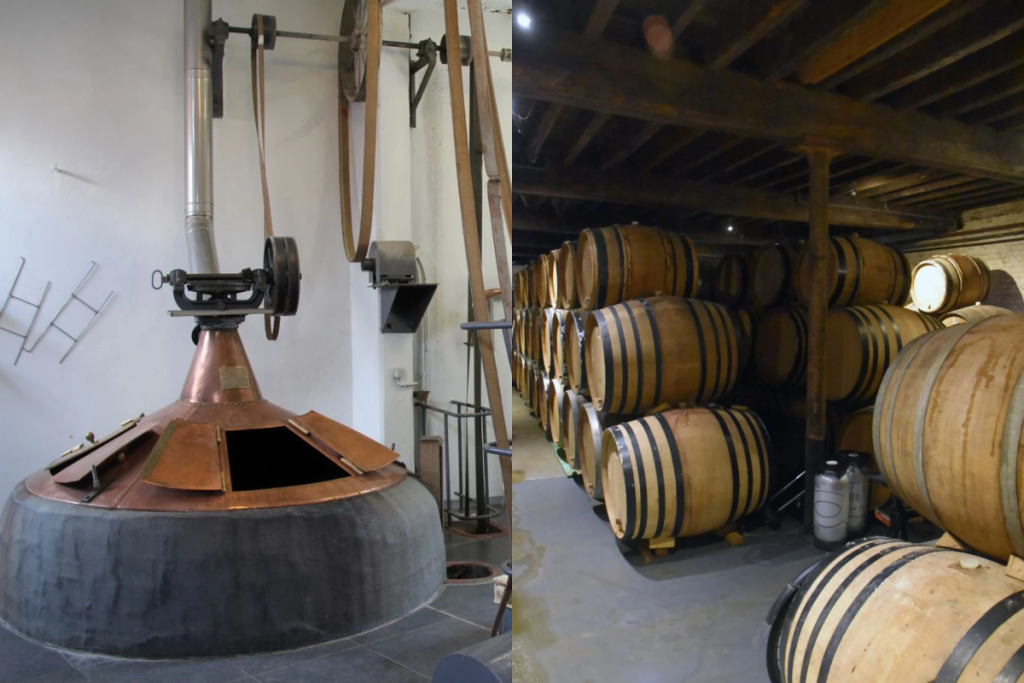
Faced with the public’s waning interest in these tart beers in the 1970s, master brewer Jean-Pierre Van Roy founded the non-profit organization Musée Bruxellois de la Gueuze in 1978 to save this endangered heritage. Transformed into a true living museum where time seems to have stood still in 1900, the brewery retains its copper vats, grain silos, and century-old barrels. From October through the end of March, enthusiasts and curious visitors alike can observe the master brewers at work before savoring an authentic Gueuze-Lambic.
A gourmet journey into the heart of the Cantillon estate
Beyond its impressive historic machinery, the tour of 56 Rue Gheude reaches its climax during a stop at the tasting room. In the past, to enrich the menus of Brussels’ estaminets and mellow the acidity of Lambic, local brewers would macerate regional fruits there. This is how the famous sour cherry Kriek was born, followed in the early 20th century by the Framboise-Lambic, mentioned in Paul Cantillon’s inventories as early as 1909. Having disappeared during the wars, this brew was revived in 1973 thanks to an impromptu donation of 150 kg of fresh raspberries from a friend of the brewery.
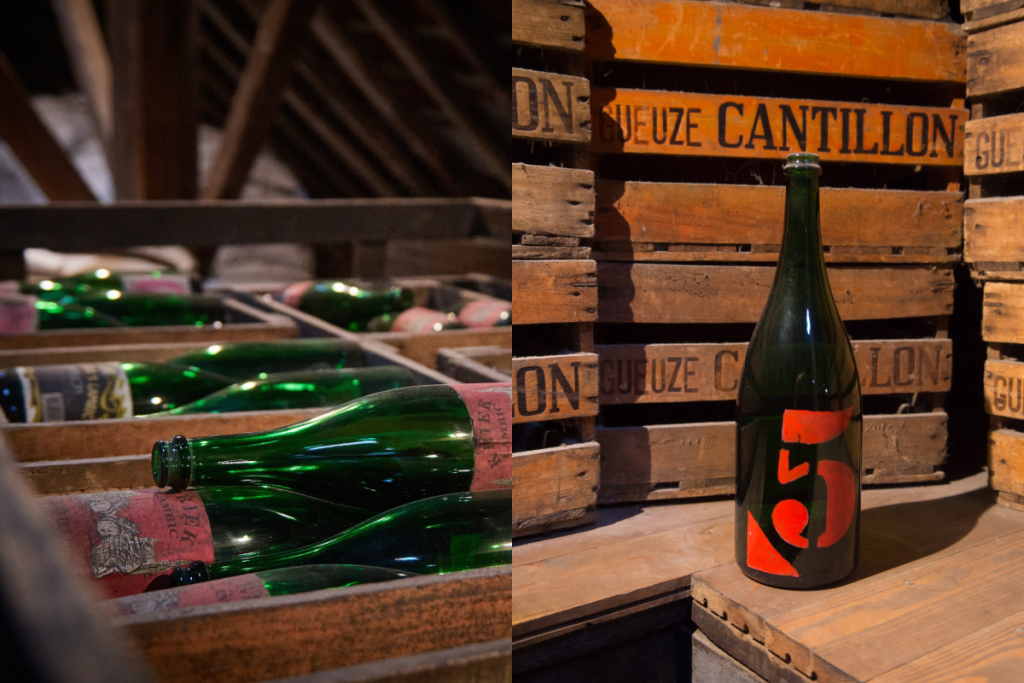
The tasting experience also revives surprising folk rituals that have since disappeared from modern bistros. In the past, customers were served their Kriek with two sugar cubes and a “stoemper”—a small iron pestle used to crush the sugar to balance the acidity to their liking. Today, served in their purest, most authentic artisanal form, Gueuze, Kriek, and Rose de Gambrinus are savored under the watchful eye of the Master Brewer. An unmissable culinary highlight that brings this timeless journey into the heart of Brussels’ heritage to a delicious conclusion.