It was one of Brussels’ best-kept secrets, a magnificent example of Belle Époque Art Nouveau style that could soon disappear. The Royal Rinking, a former roller skating rink inaugurated in 1910 in the heart of Ixelles, is now threatened with demolition, reigniting an already heated debate in the capital.
Despite its renovated façade with Art Deco elements and metal framework, this architectural and heritage gem seems to be becoming the new symbol of “Brussels2.0.” This is a pervasive and worrying trend that aims to sacrifice the city’s history and heritage. Between past splendor and imminent threat, discover the history of an iconic monument of the city on borrowed time.
The Royal Rinking: when Ixelles was home to the temple of world skating
Inaugurated in 1910, a period when Brussels was buzzing with the rhythm of the Belle Époque, the Royal Rinking quickly became the city’s must-see venue. At that time, roller skating was booming worldwide, and Ixelles boasted one of the largest skating rinks in Europe. But the magic of the place also lies in its incredible metamorphosis. After the heyday of skating, the building became a hub for local sporting life, then a car dealership, before being transformed into the iconic Delhaize supermarket in 1983.
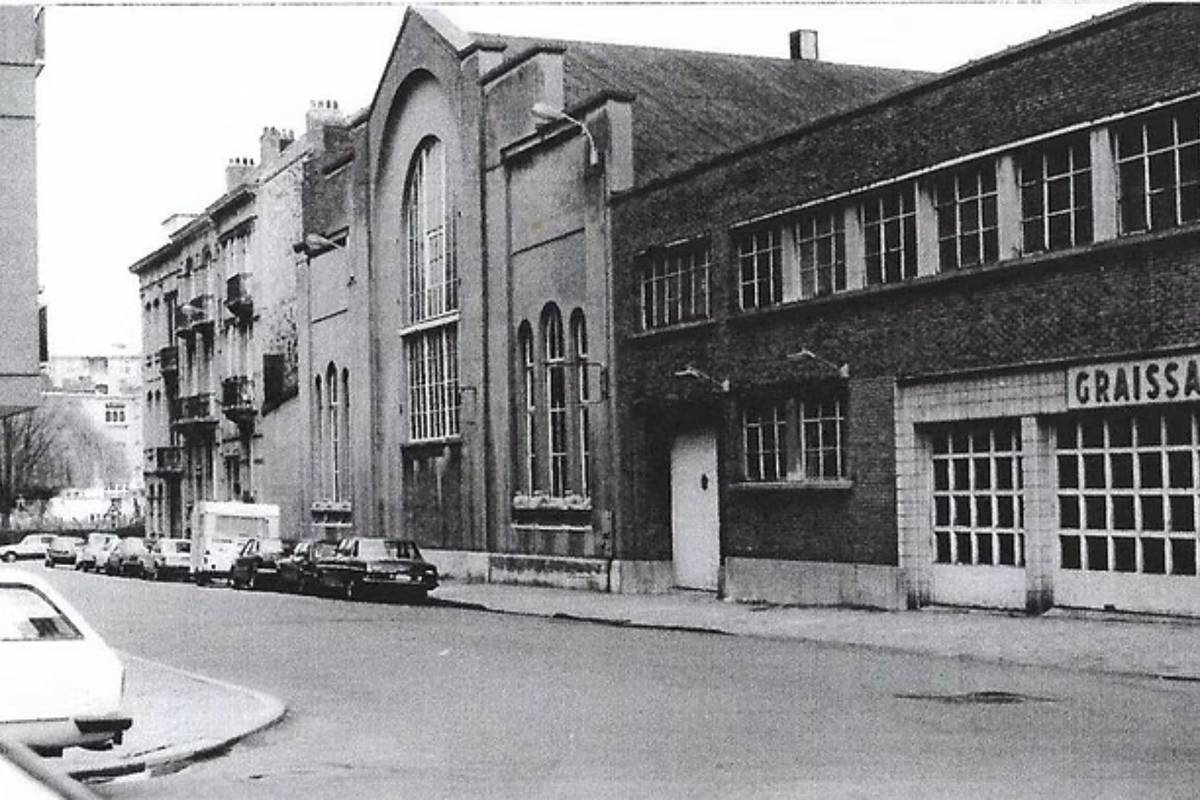 © unilotunquartier.be
This Art Nouveau building, with its façade redesigned in 1934 with Art Deco elements, thus conceals a true architectural soul, unique to the city. For more than a century, the Royal Rinking has proven itself to be a pillar of life in Ixelles. The guardian of a glorious heritage, its destruction is now inconceivable to the site’s defenders and, logically, faces strong opposition from residents.
“Bruxellisation 2.0”: the Royal Rinking, yet another victim of blind urban planning
Unfortunately, the plan to demolish the Royal Rinking is not an isolated case, but part of a trend known as “Bruxellisation 2.0.” This powerful term refers to the sometimes chaotic transformation of the city. While the building has proven its resilience for over a century, the current project led by developer Besix Red ignores several key points: the building’s protected status, classified by the Royal Commission on Monuments and Sites, as well as the ecological inconsistency of this program.
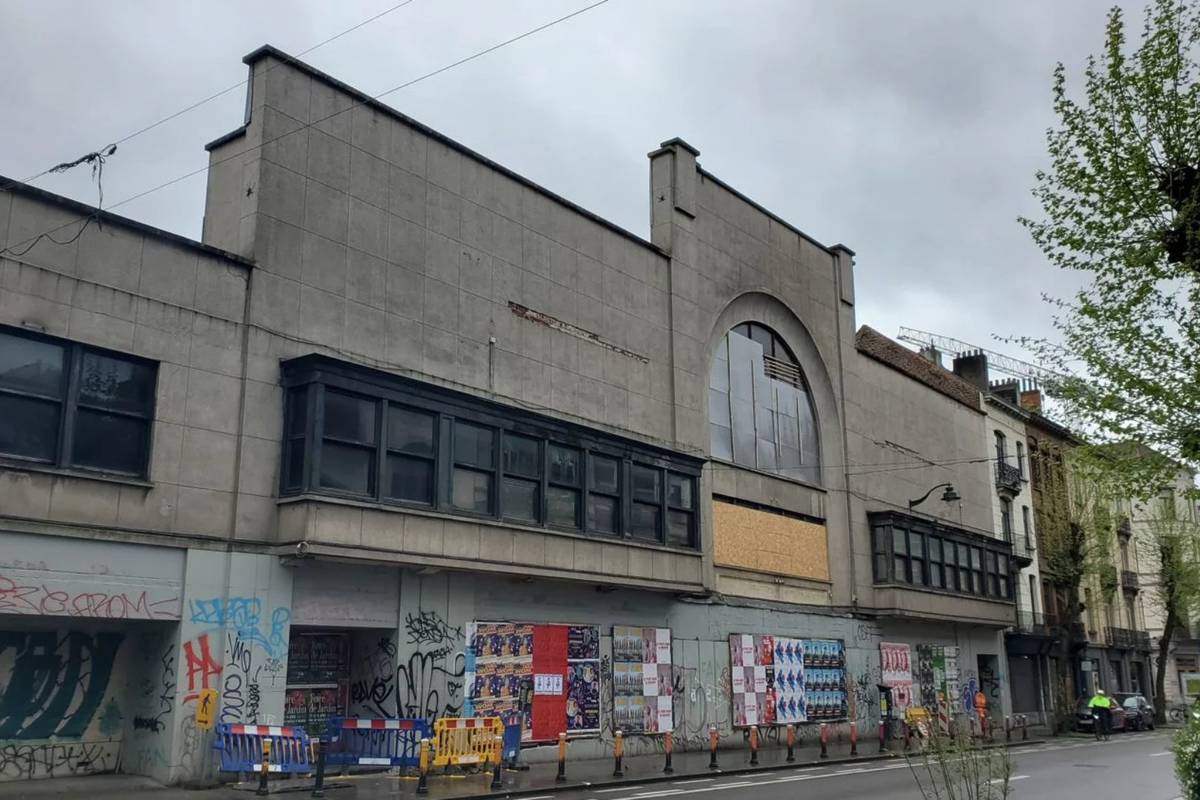 © arau.org
The Royal Rinking thus joins a list of endangered or lost sites that outrage the people of Brussels. These include the Hôtel des Postes, destroyed in 1966, and the Palais des Sports in Schaerbeek. These historical disappearances resonate once again in the Royal Rinking case. More than just a question of aesthetics or architecture, it is the soul of a neighborhood and the management of a shared heritage that are at stake.